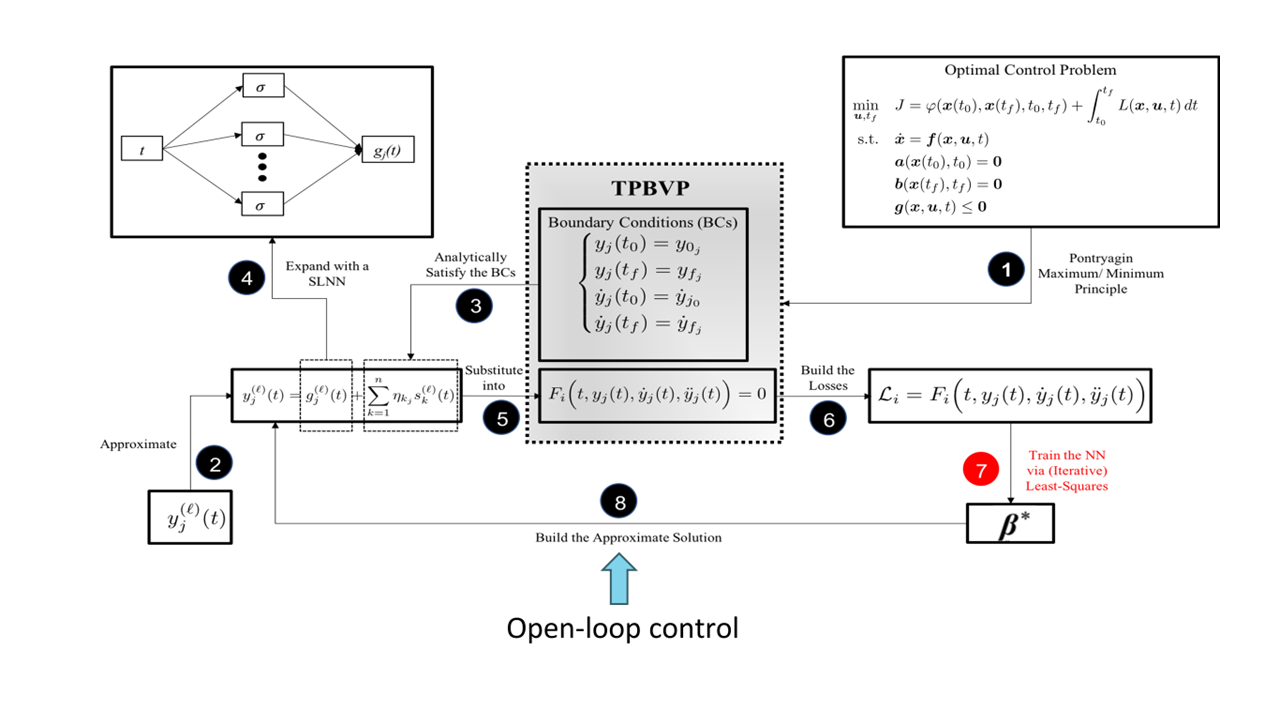
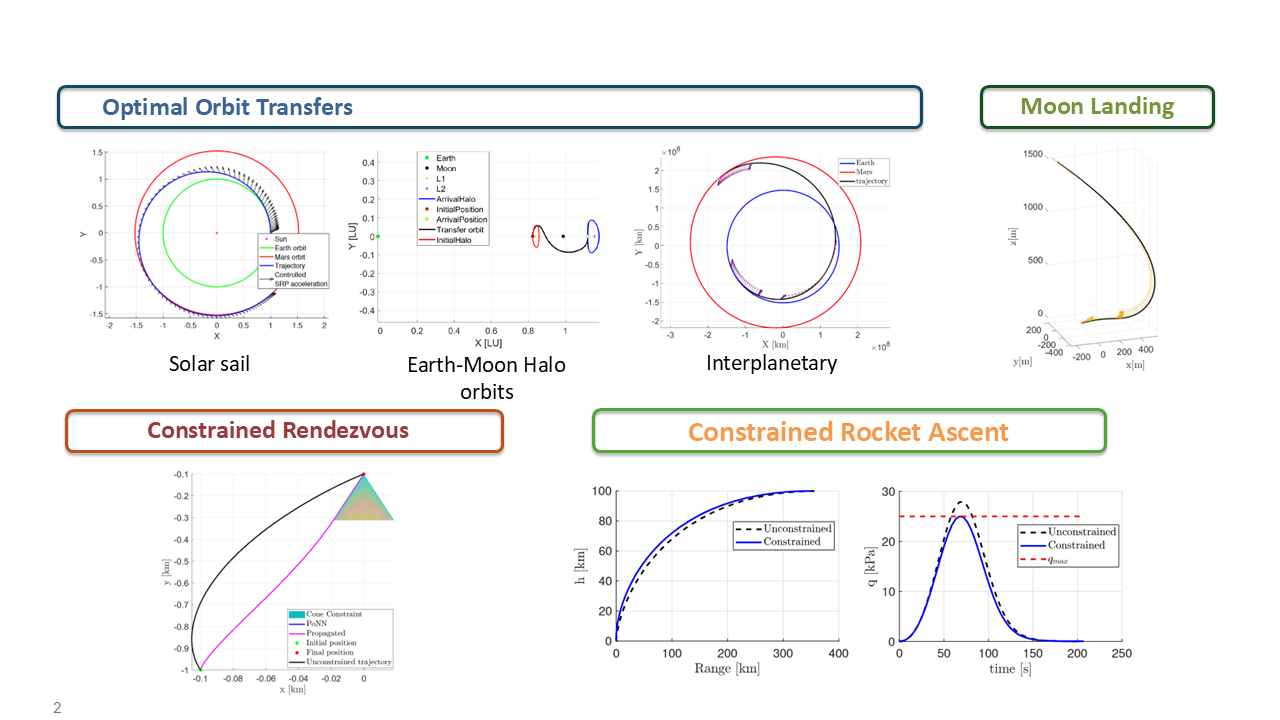
Guidance, navigation, and control
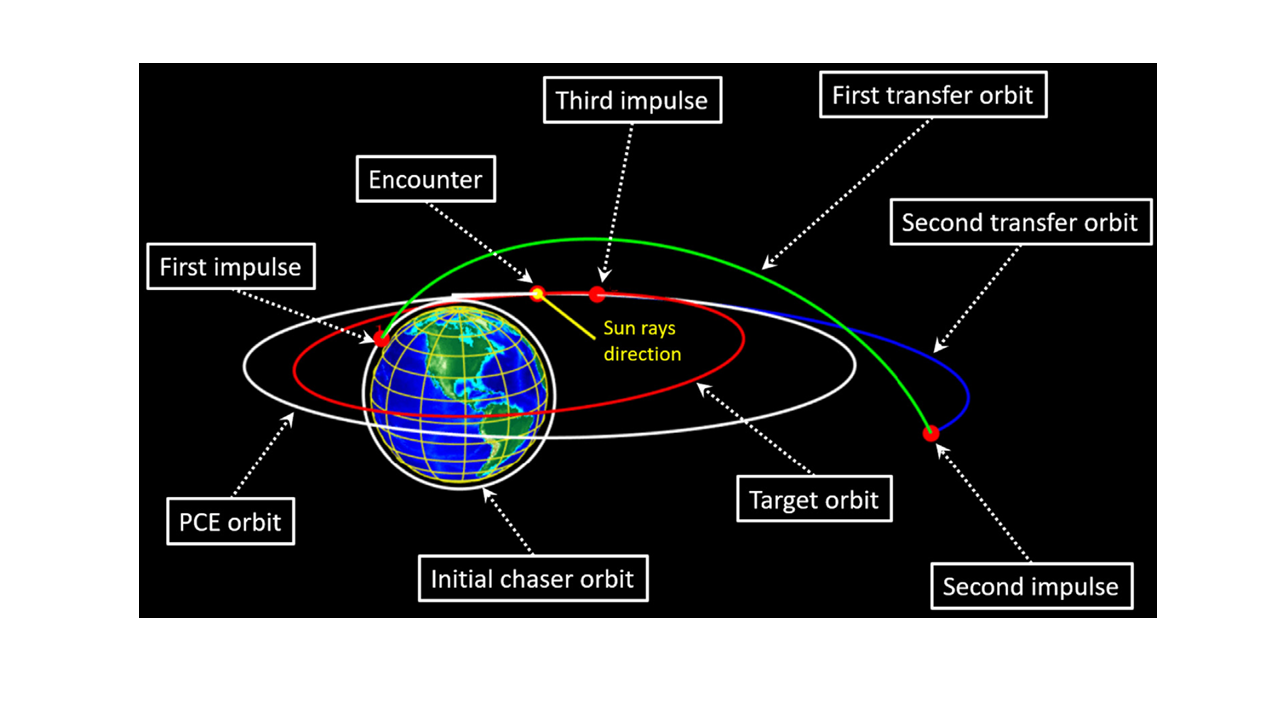
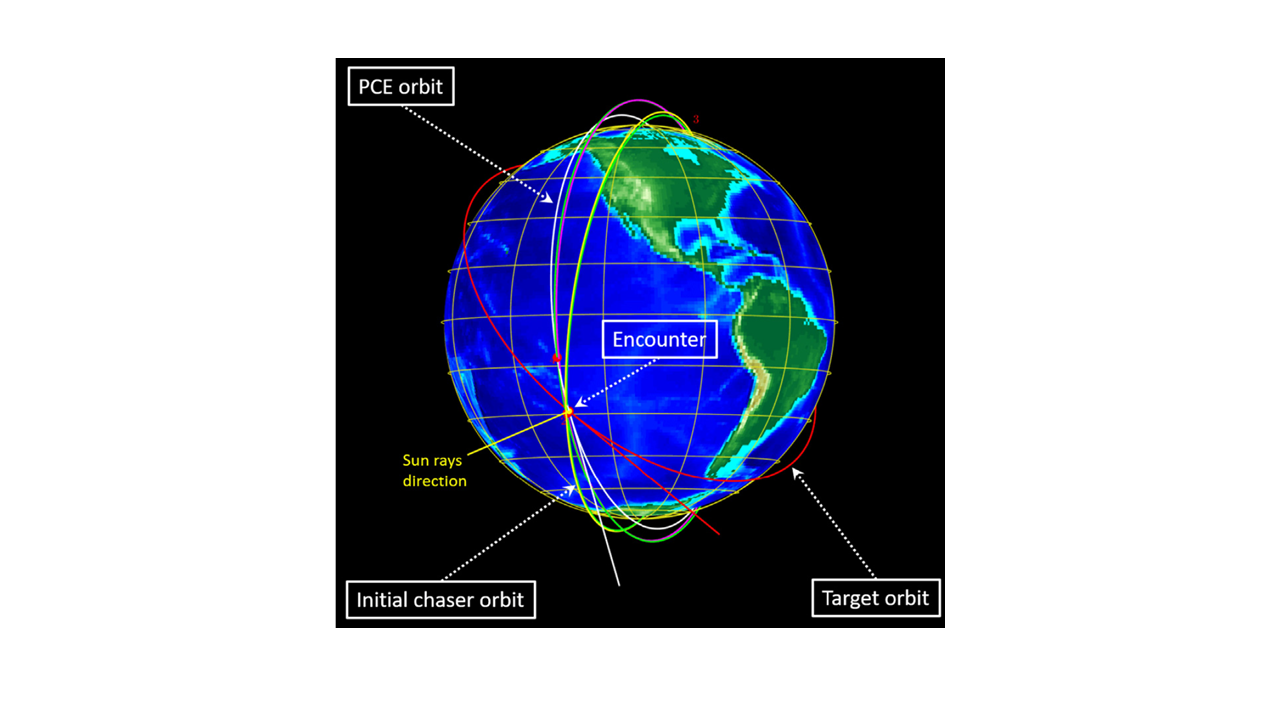
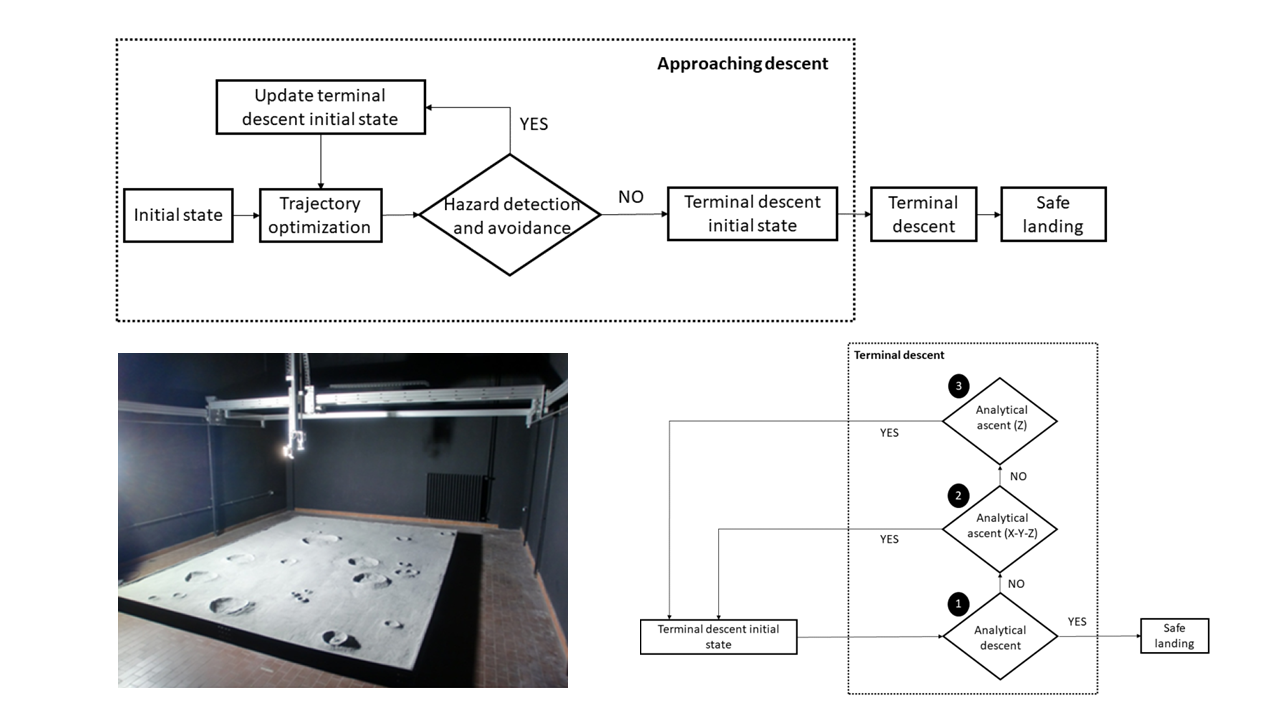
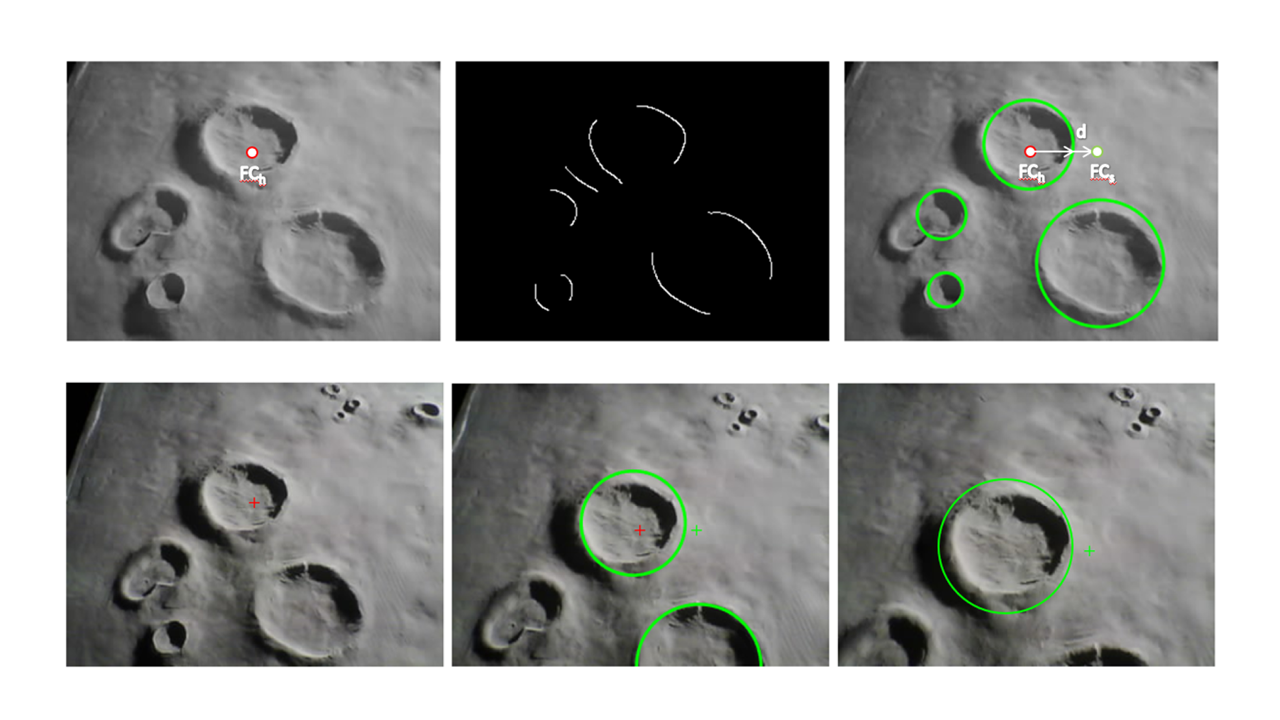
Optimal and autonomous decision-making for landing, proximity operations, transfers, and other constrained aerospace missions.
Explore GNC research →About CIRO
We enhance the autonomy, intelligence, and safety of space systems and the space environment—from low Earth orbit to the cislunar domain and beyond.
Our research
Our research spans four connected areas: guidance, navigation, and control; space situational awareness and orbital sustainability; scientific machine learning for aerospace applications; and astrodynamics. Across these areas, we develop robust, interpretable, and efficient methods for safety-critical decision-making in uncertain aerospace environments.
At CIRO, we tackle challenging aerospace problems through rigorous analysis, creative problem-solving, and cross-disciplinary thinking. Our collaborative environment bridges academia, industry, and government research.
Research areas
Physics-based models, optimization, estimation, and learning come together to improve aerospace autonomy, safety, and sustainability.
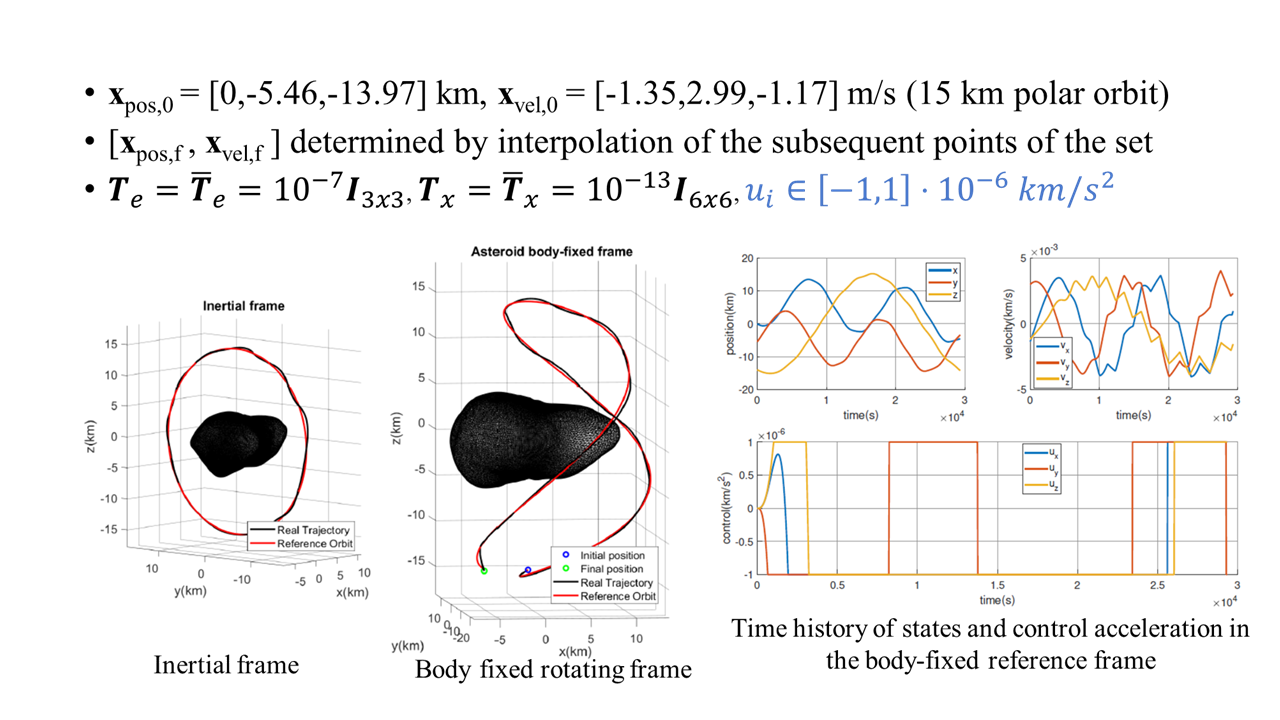
Optimal and autonomous decision-making for landing, proximity operations, transfers, and other constrained aerospace missions.
Explore GNC research →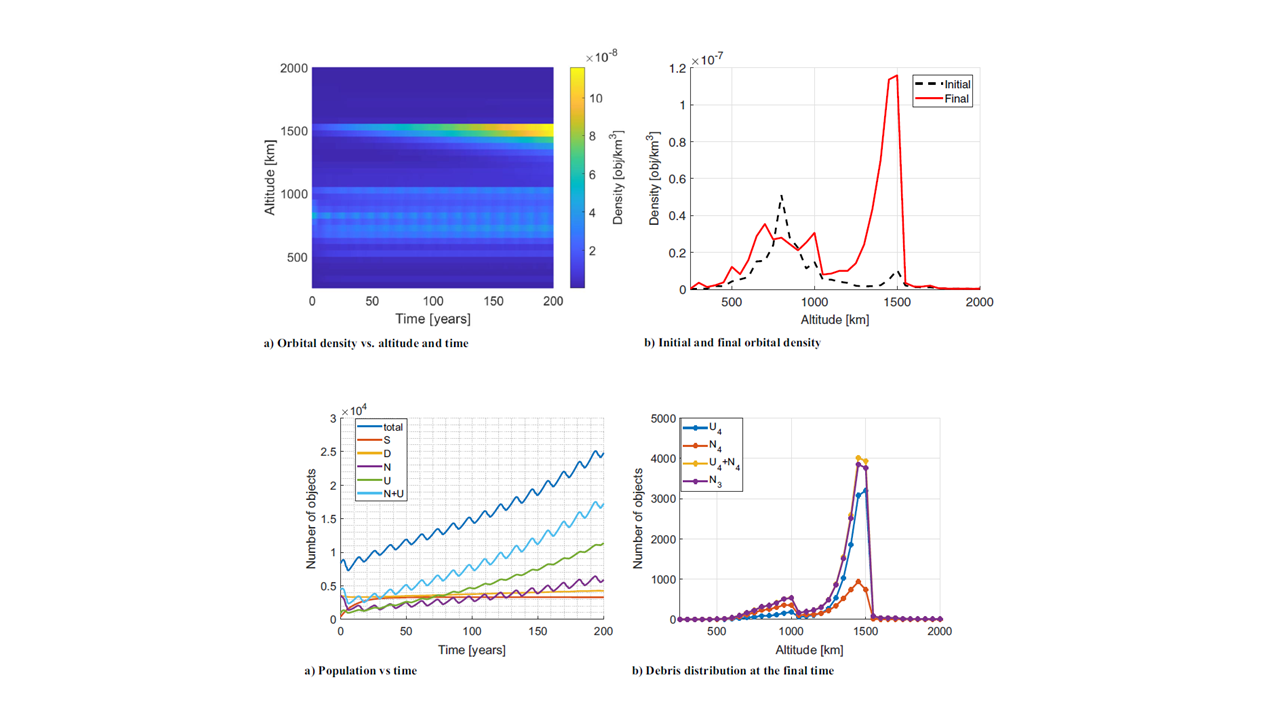
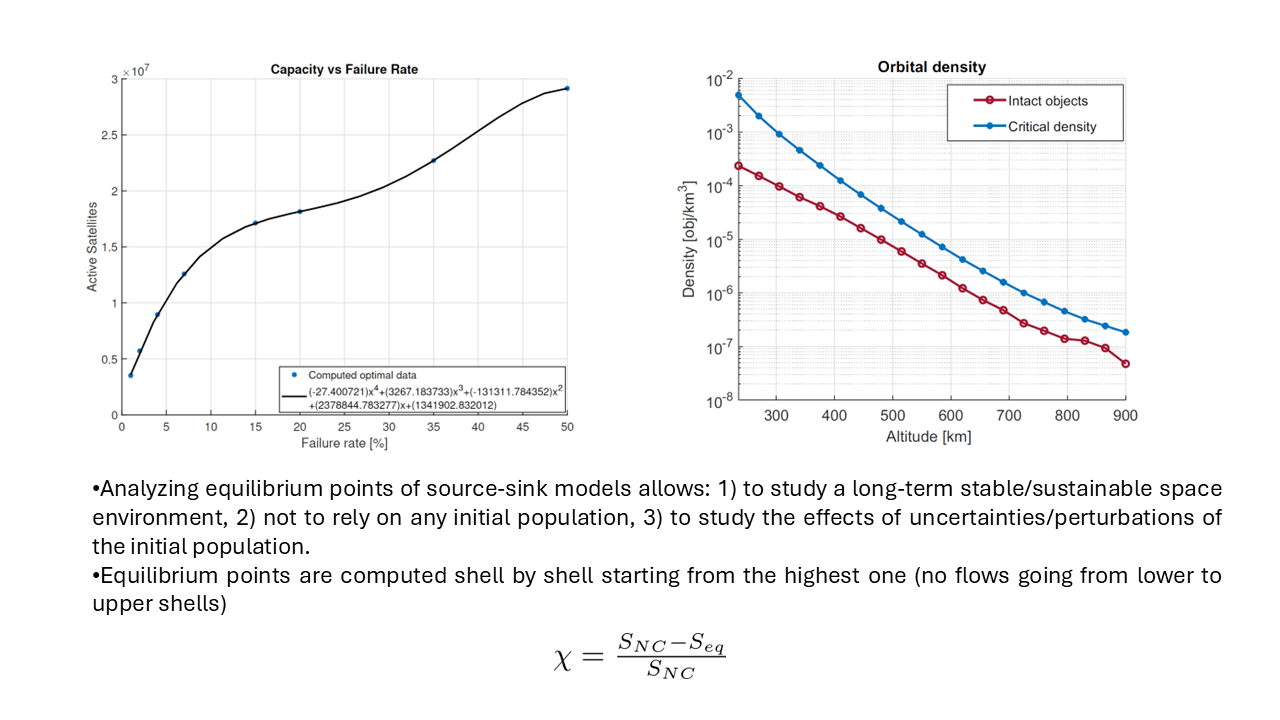
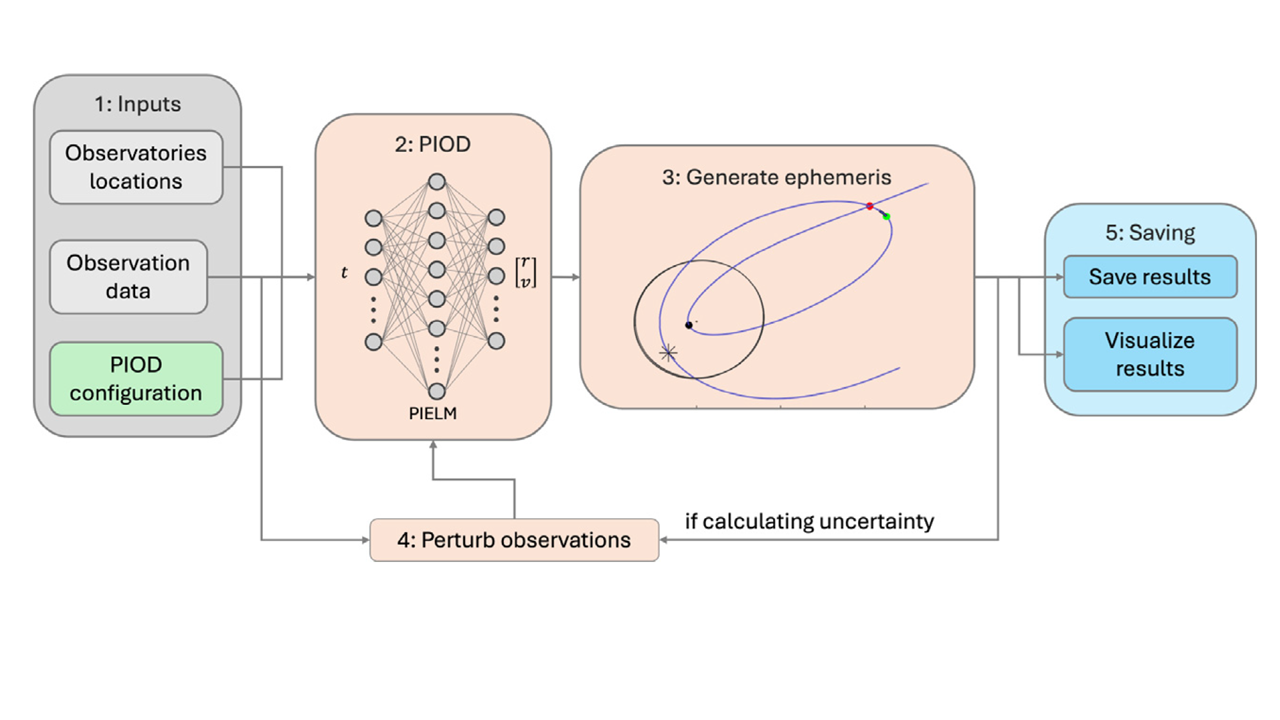
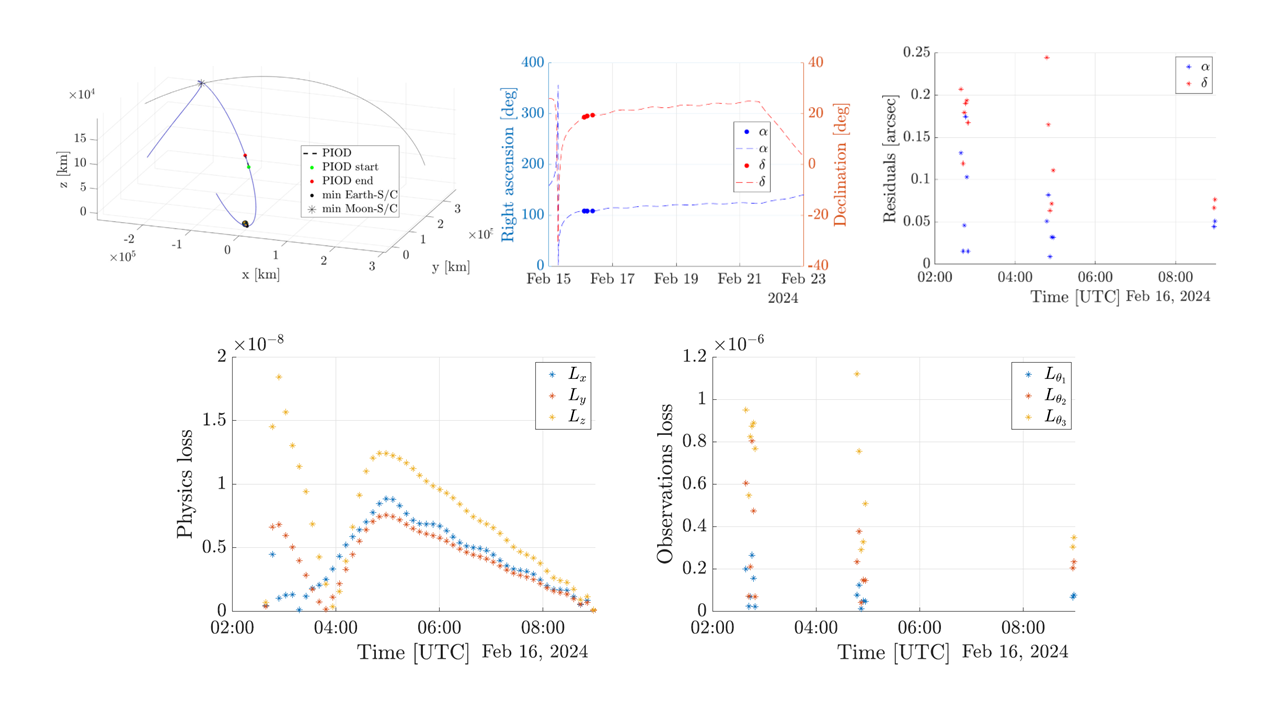
Orbit determination, object characterization, surveillance, and orbital-capacity analysis for a safer, more sustainable space environment.
Explore SSA research →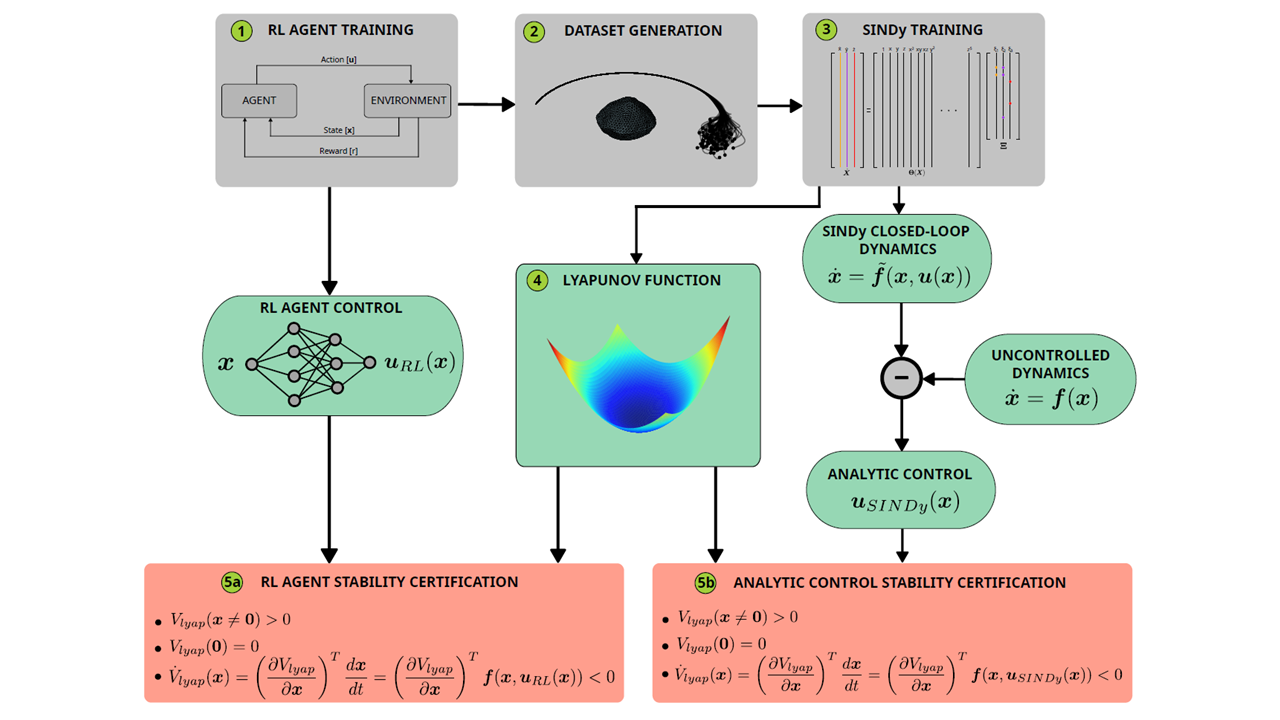
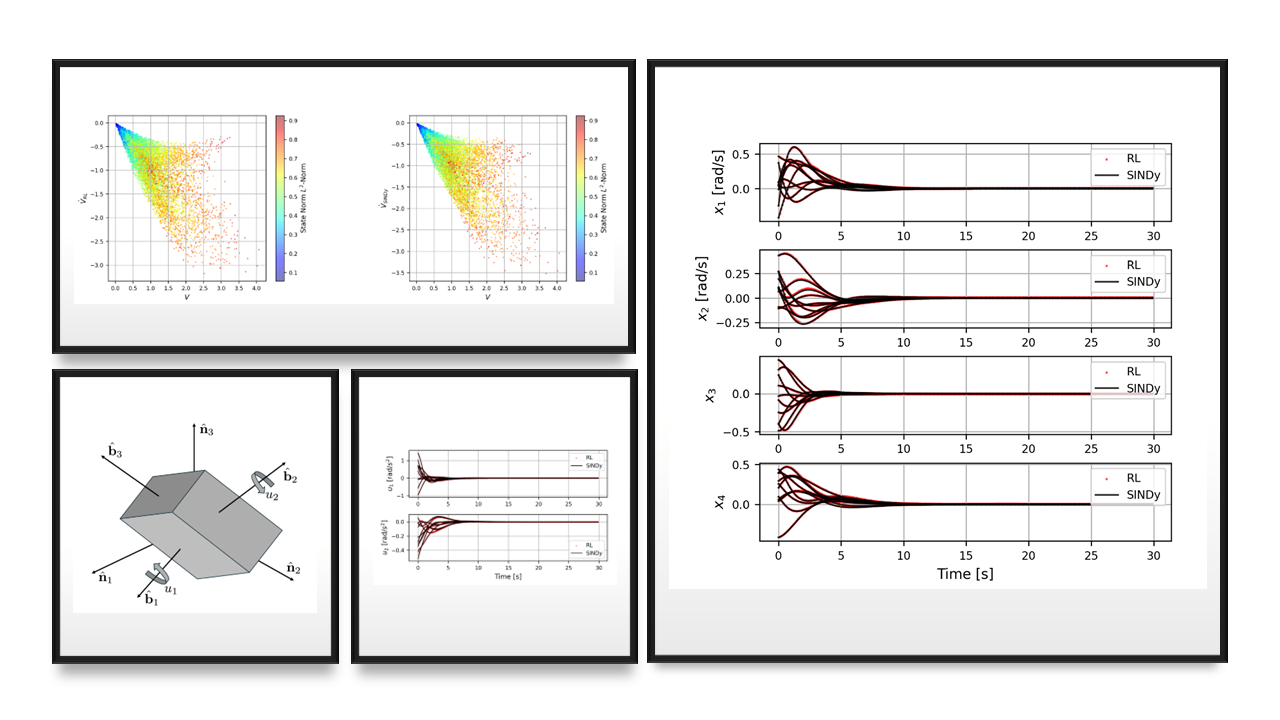
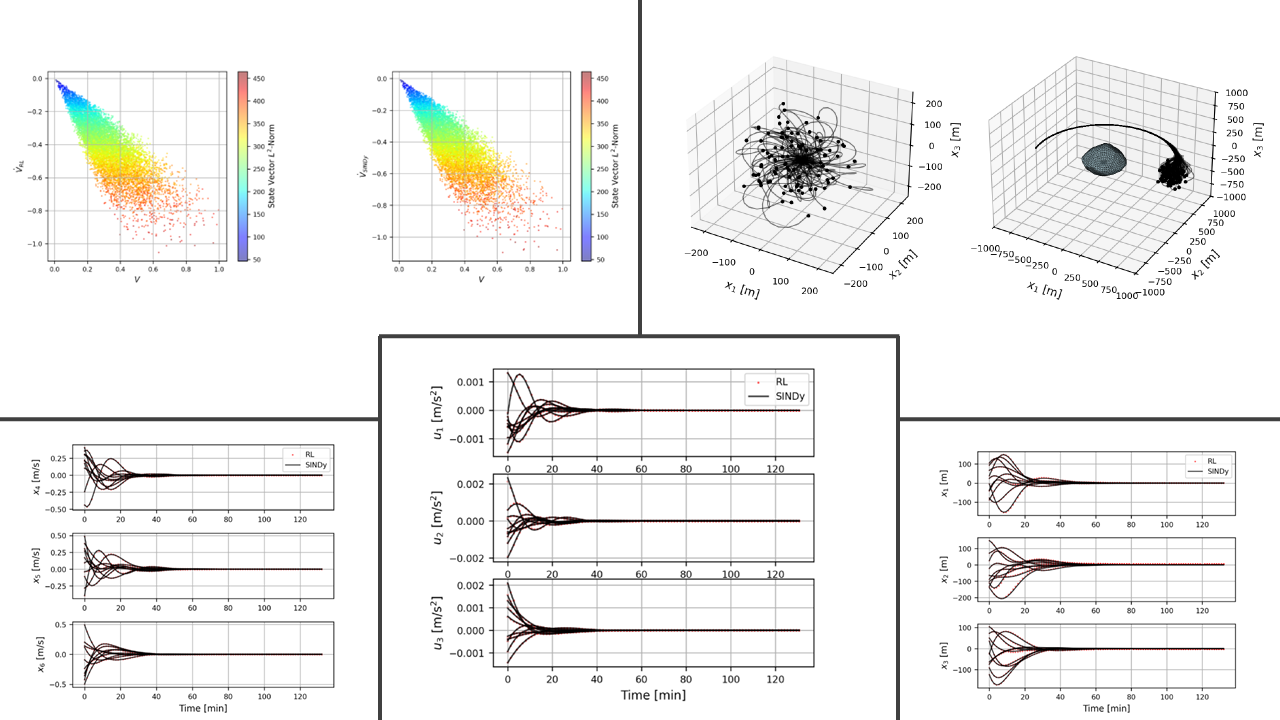
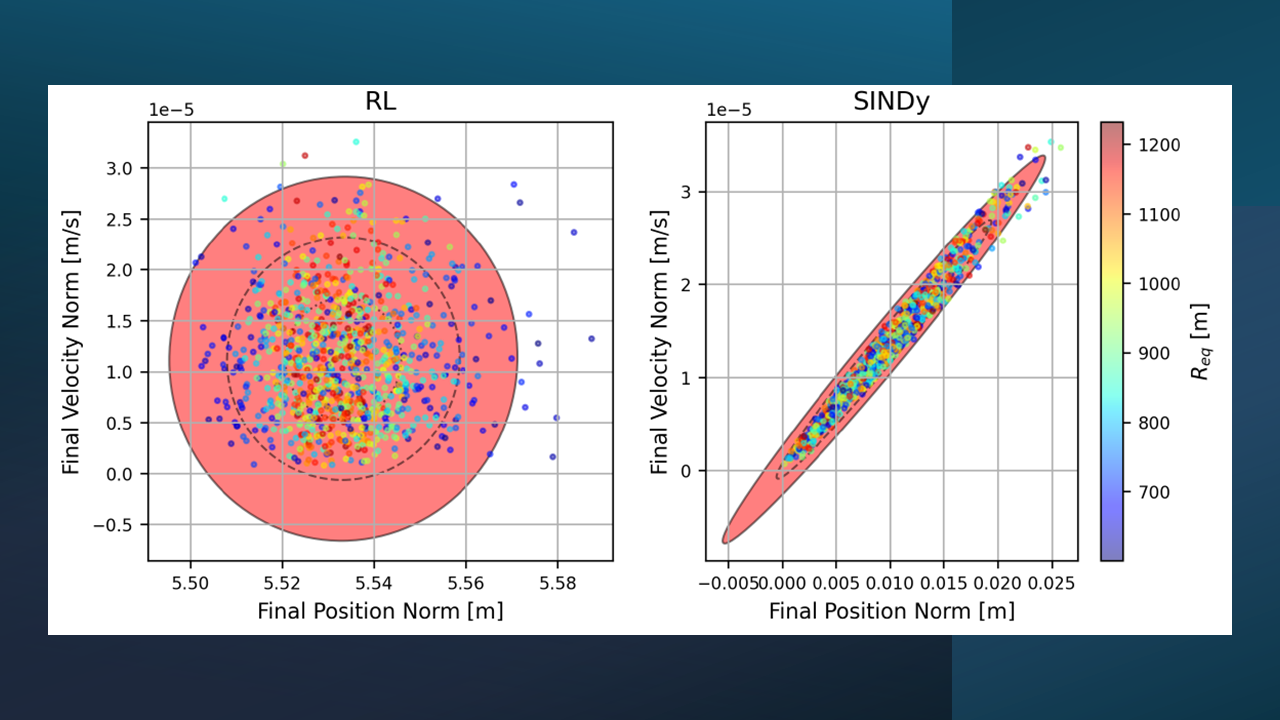
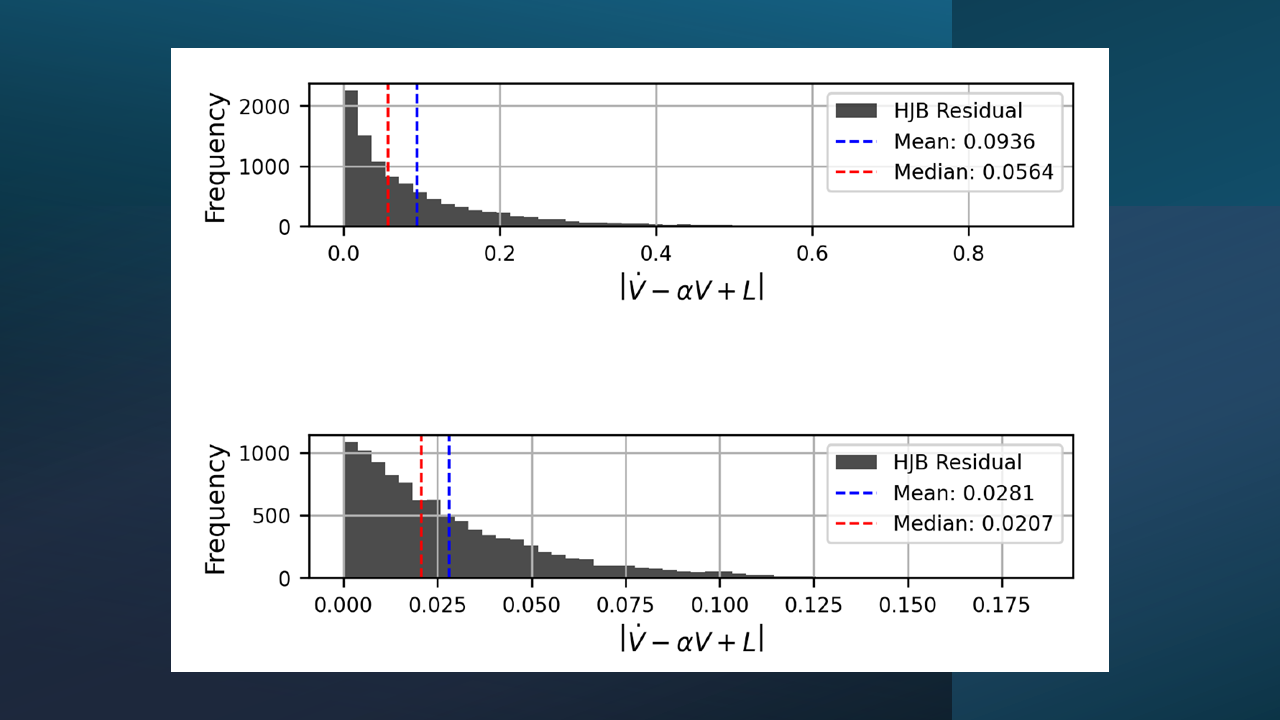
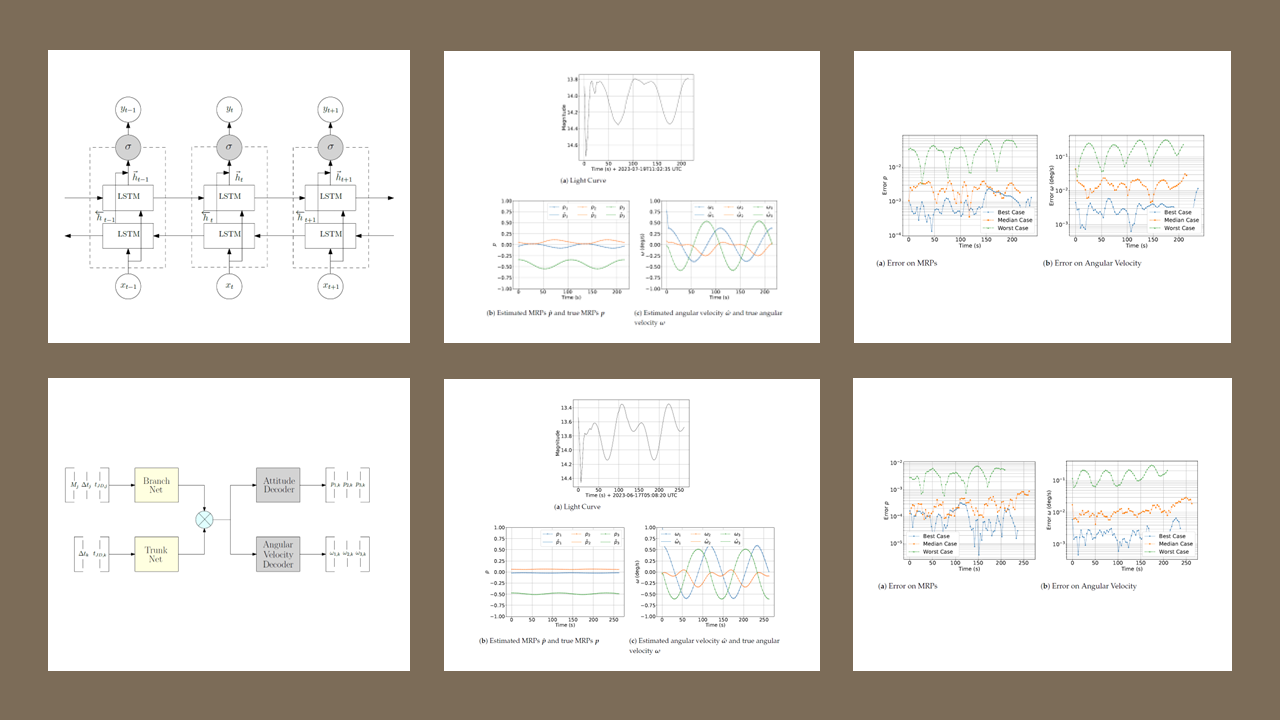
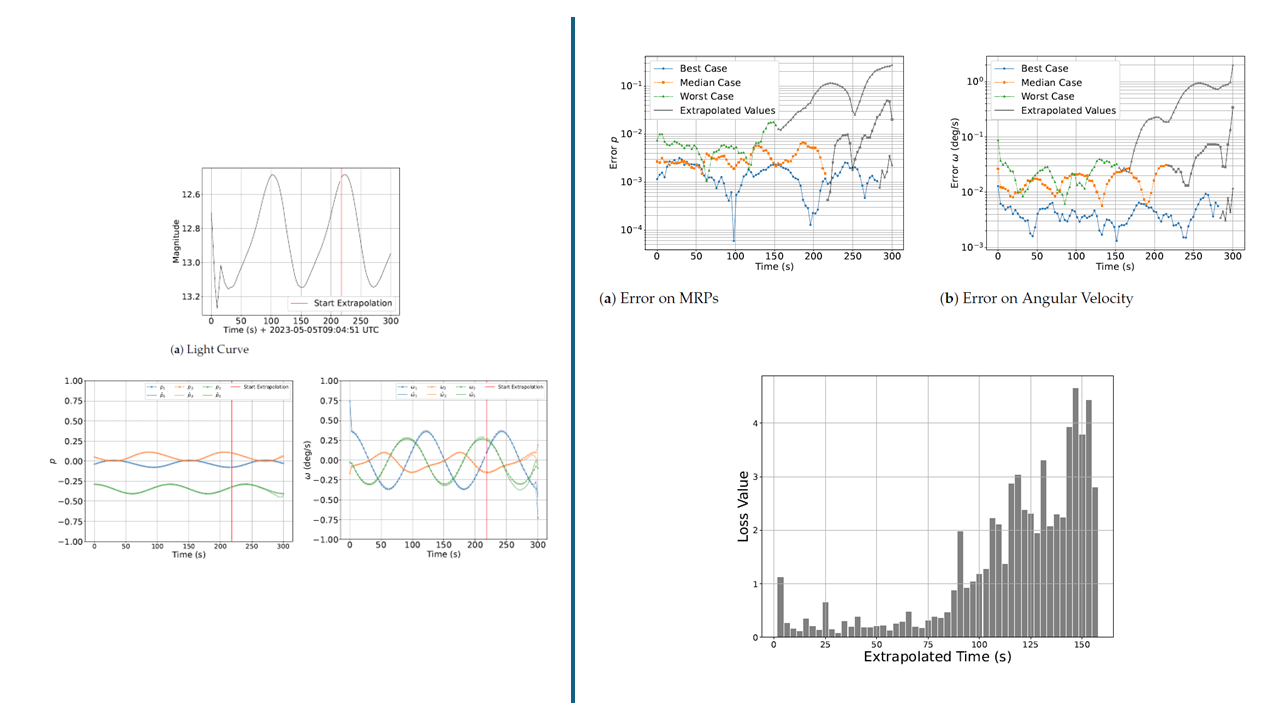
Physics-informed learning, interpretable dynamics, and stability certification for safety-critical aerospace applications.
Explore SciML research →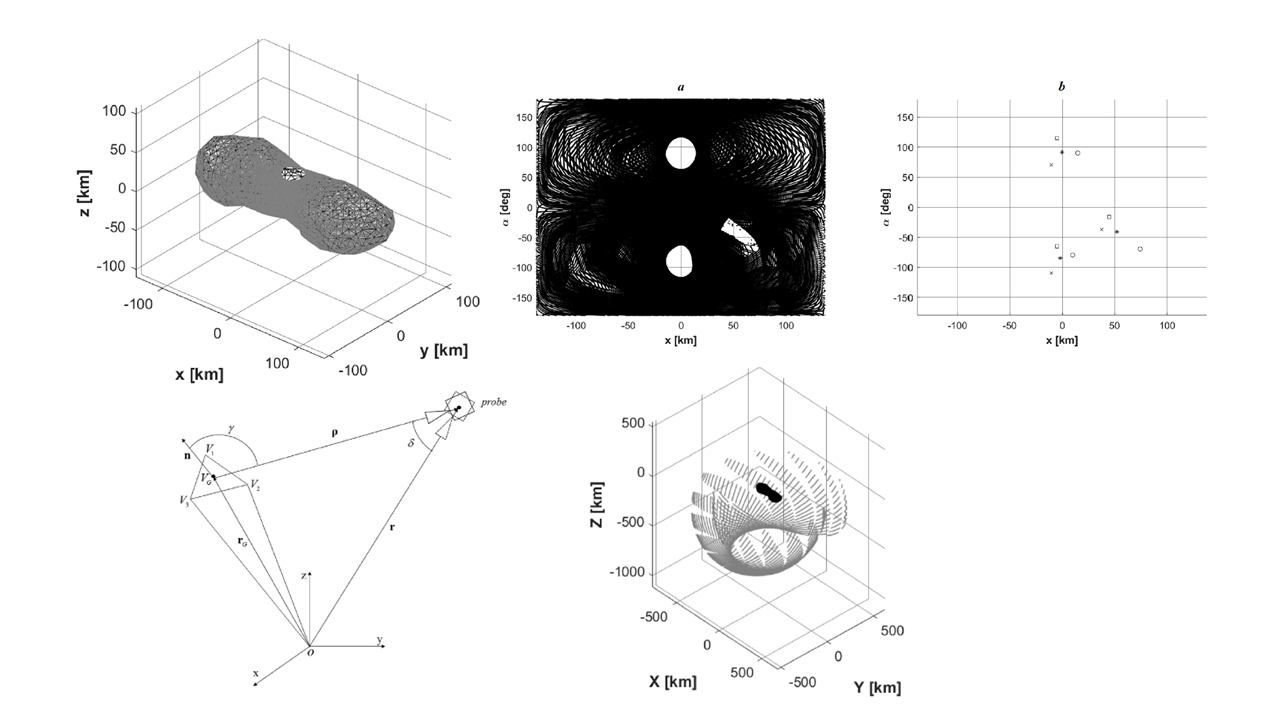
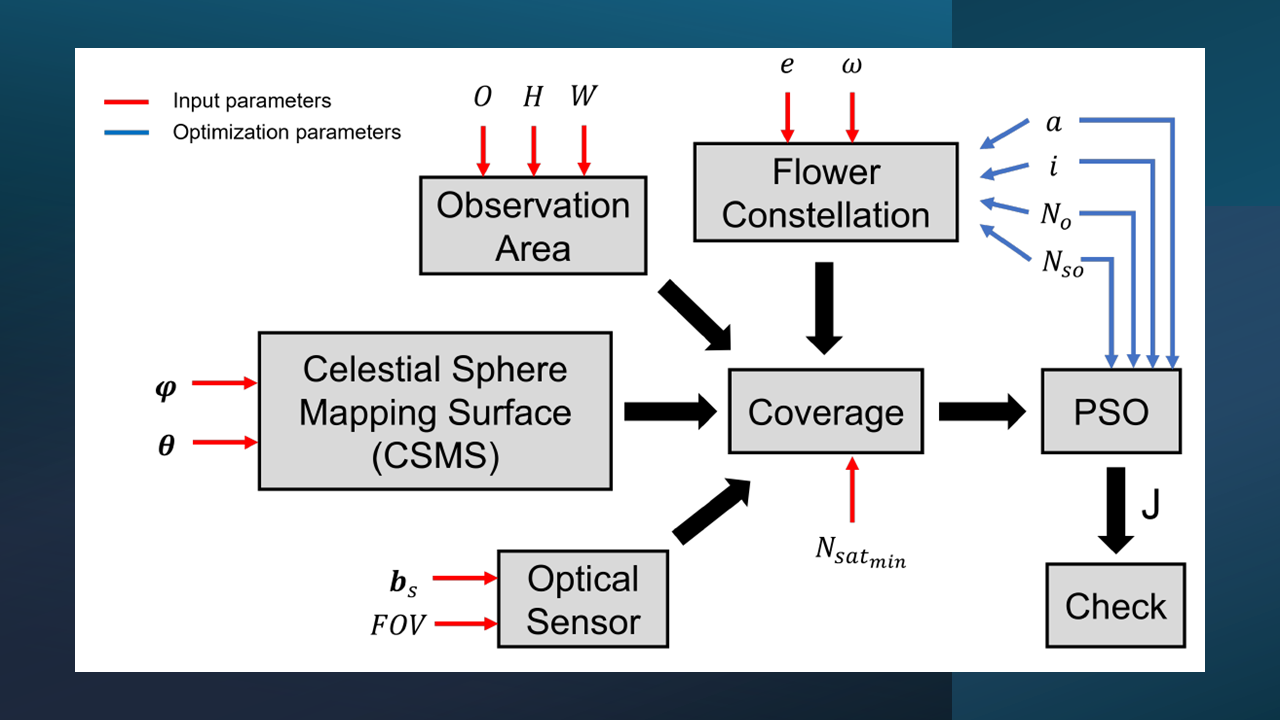
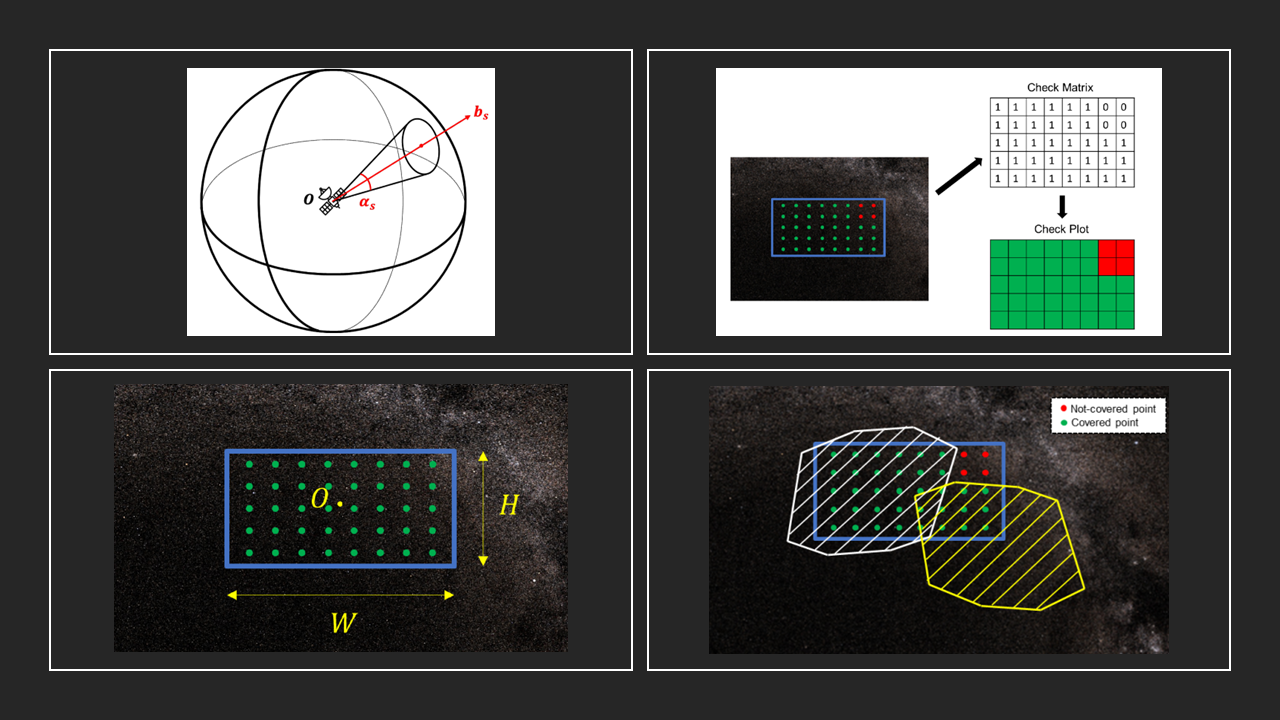
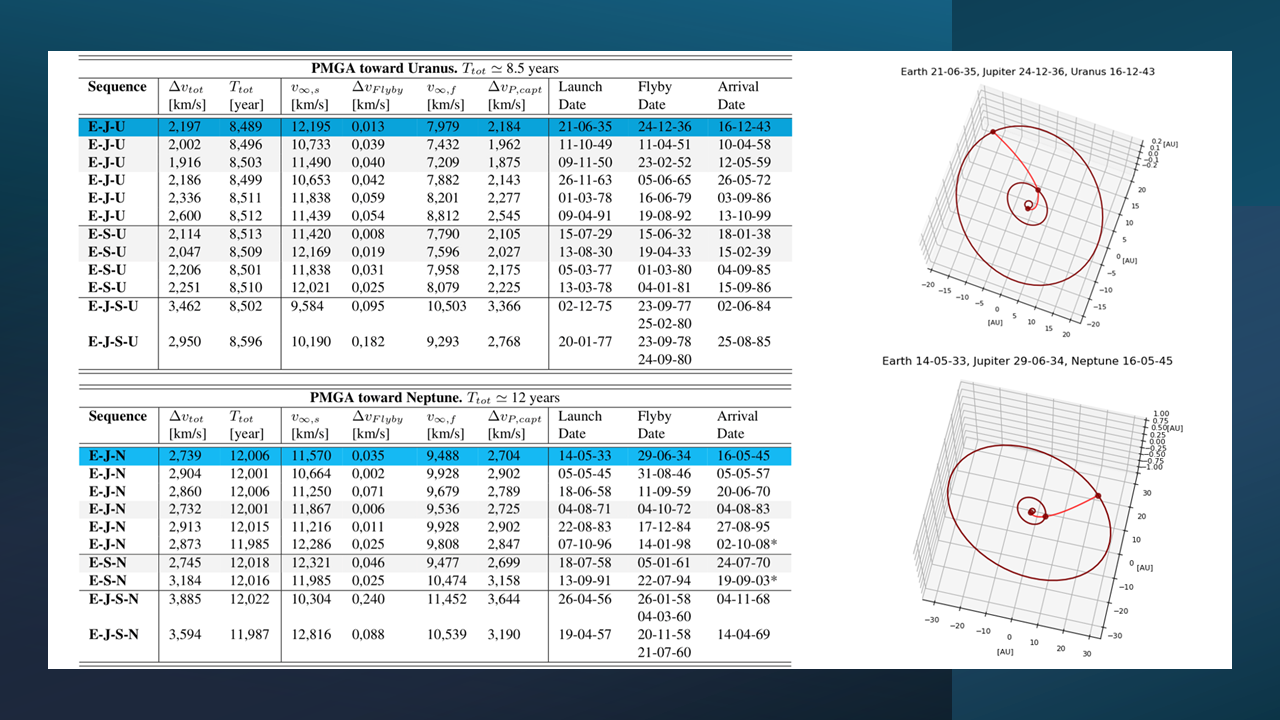
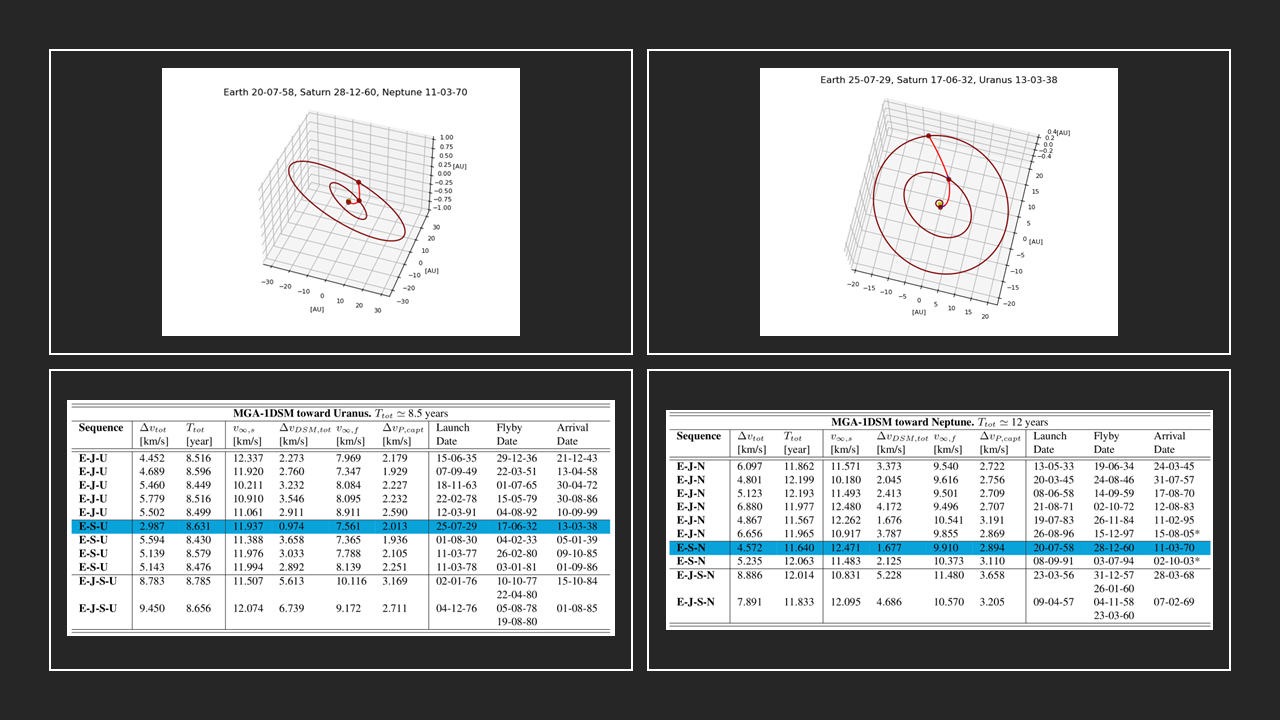
Orbital mechanics, dynamical systems, mission design, and environmental evolution from Earth orbit to cislunar and small-body regimes.
Explore astrodynamics →About the director
Dr. D’Ambrosio is an Assistant Professor in the Department of Mechanical and Aerospace Engineering at the University of South Florida. Previously, he was a Postdoctoral Research Associate in the Space Systems Engineering Laboratory at the University of Arizona and in the Astrodynamics, Robotics, and Controls Laboratory at MIT.
He earned bachelor’s and master’s degrees in aerospace and space engineering and a Ph.D. in Astronomy, Astrophysics, and Space Science from Sapienza University of Rome. His work spans optimal guidance and control, orbit determination, space-object behavioral analysis, machine-learning controller certification, and space-environment evolution.
He has authored more than 30 journal papers and 40 conference proceedings. Beyond aerospace, he holds a master’s degree in Classical Piano from Conservatorio Licinio Refice in Frosinone, Italy.
Full profile →