CIRO Lab at the University of South FloridaResearch opportunities at the CIRO Lab

Research area · GNC

Optimal guidance and control

Fast, physically consistent, and trustworthy decision methods for constrained aerospace missions and autonomous operations.

01 · 2025

Pontryagin Neural Networks for open-loop optimal control

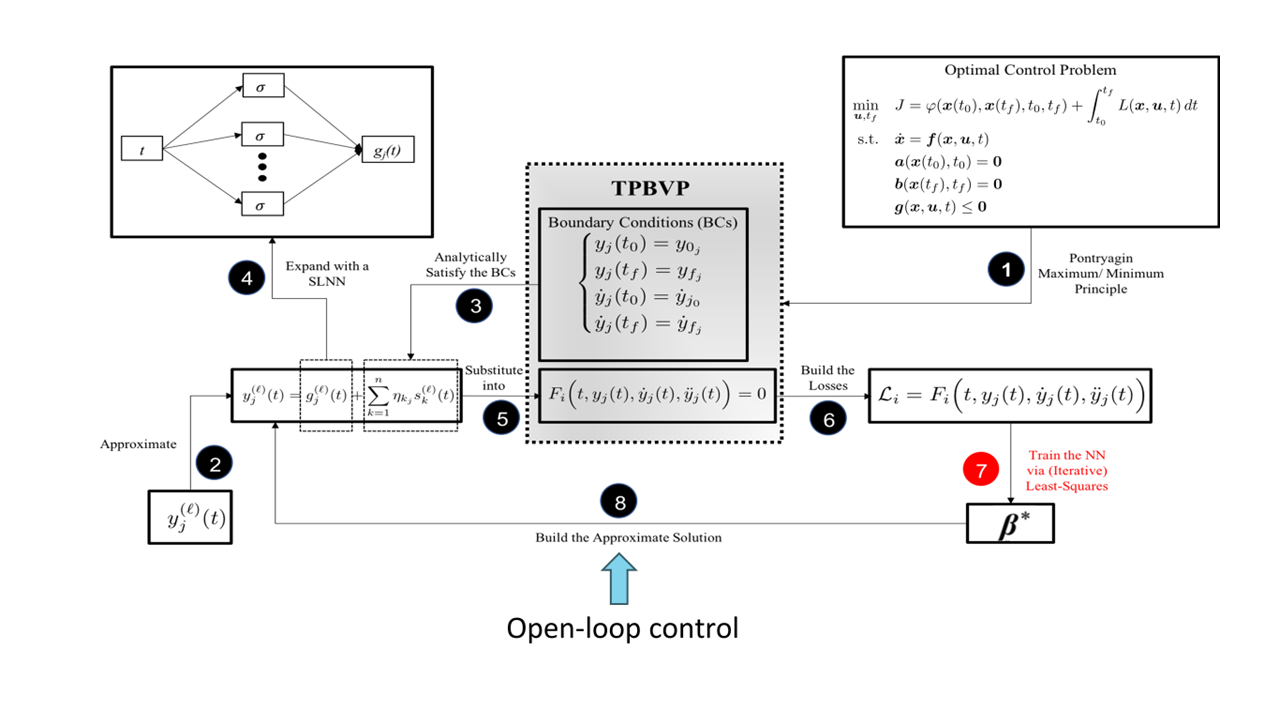
Pontryagin Neural Networks (PoNNs) solve open-loop optimal-control problems by learning the state and costate trajectories that satisfy the Pontryagin minimum principle and the resulting two-point boundary-value problem.

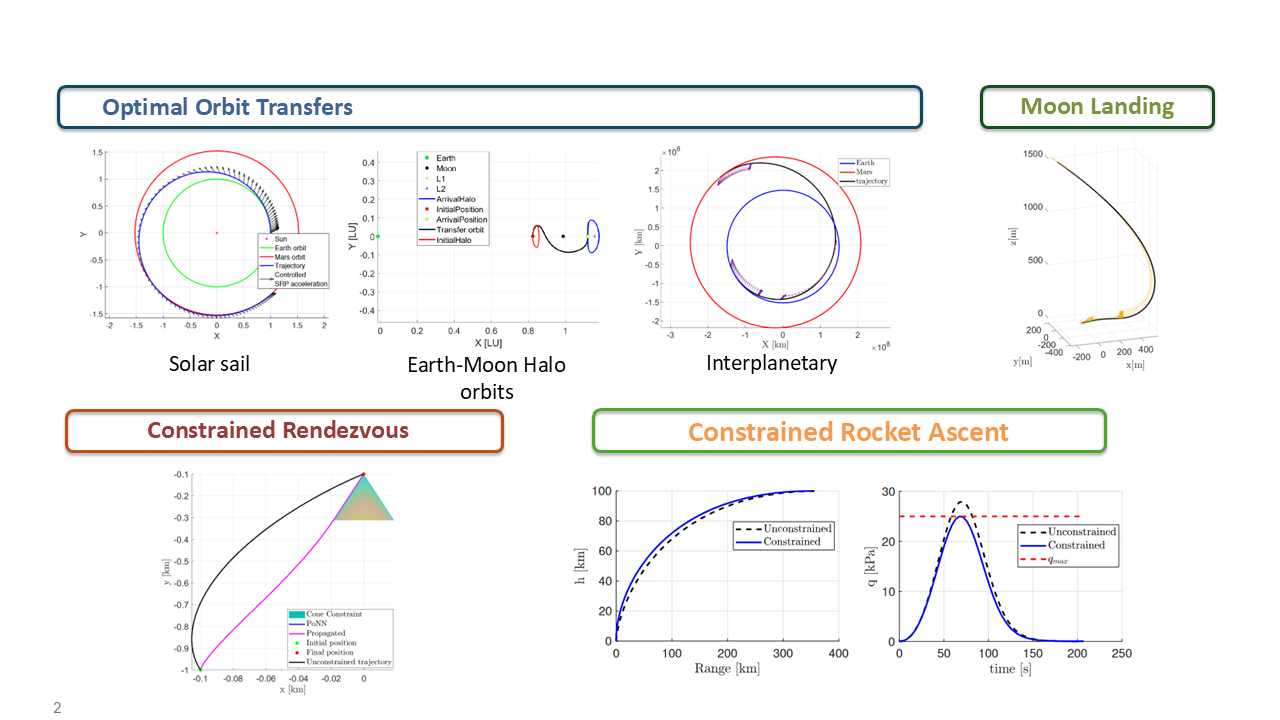
The physics-informed formulation embeds differential equations, boundary conditions, path constraints, Lagrange multipliers, and complementary-slackness conditions. Applications include orbital transfers, rocket ascent, rendezvous, landing, interception, and other constrained mission-design problems.
02 · 2023

Proximity operations around asteroids

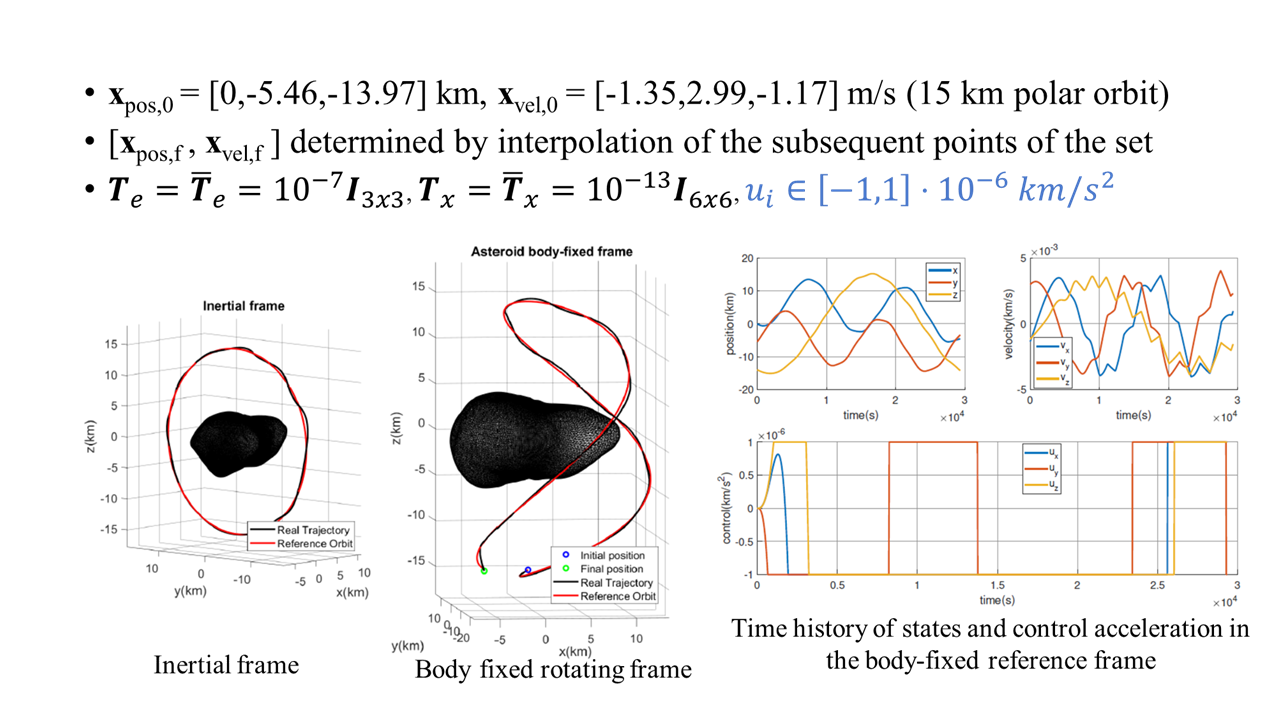
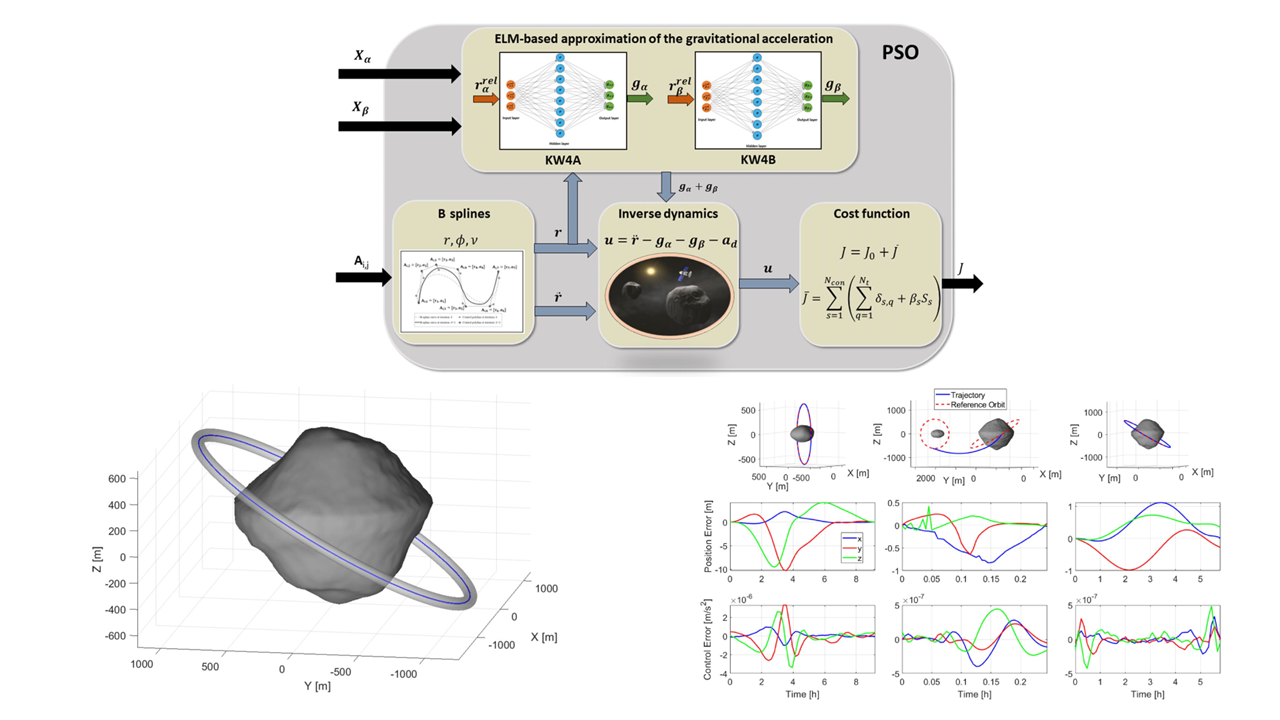
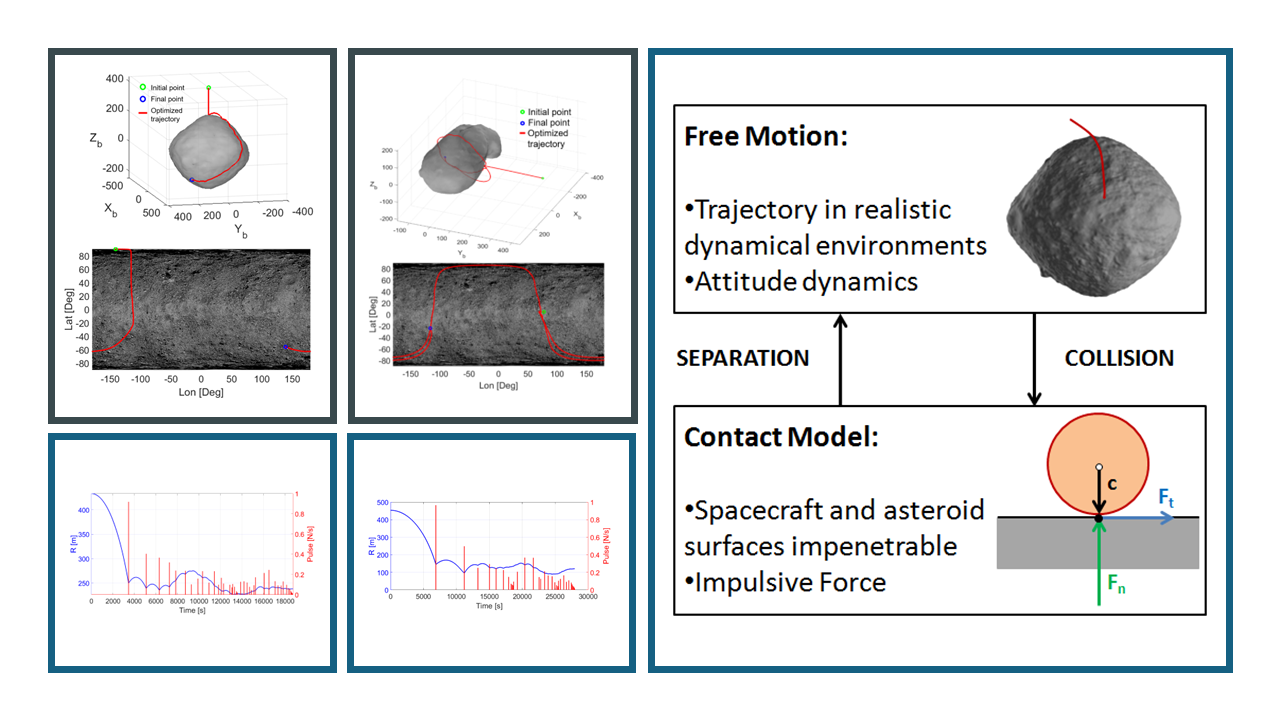
CIRO develops guidance and control methods for reference-orbit tracking, hovering, landing, inspection, circumnavigation, and transfers around single and binary asteroids.

Particle-swarm optimization, inverse dynamics, adaptive control, neural gravity-field estimation, and collision-aware path planning address weak, irregular, and uncertain gravitational environments while maintaining safe close-proximity operations.

03 · 2022

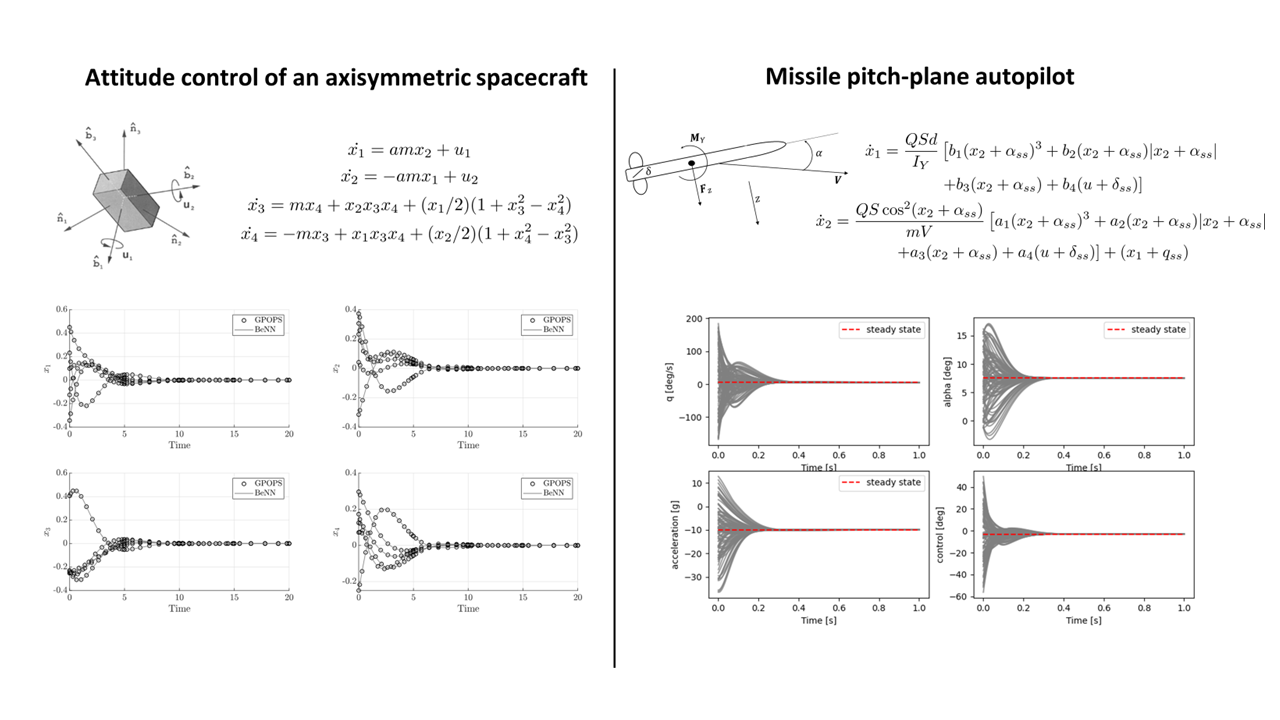
Bellman Neural Networks for closed-loop optimal control

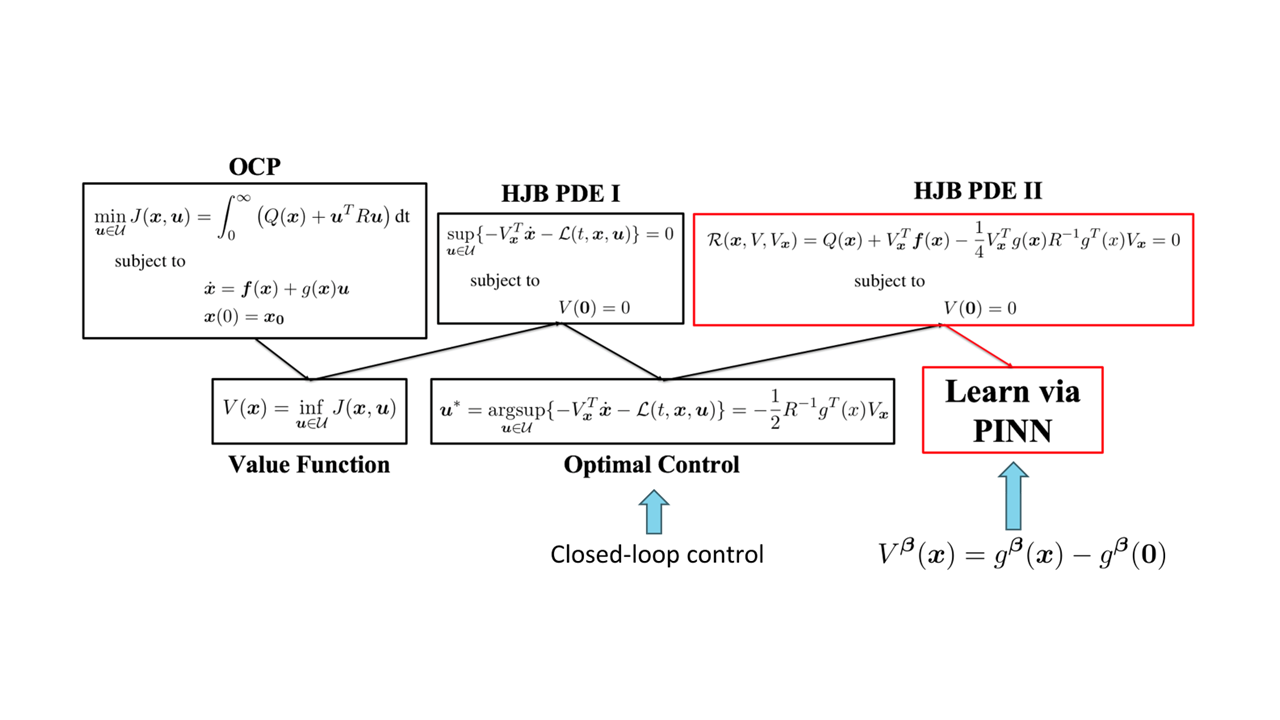
Bellman Neural Networks (BeNNs) address closed-loop optimal control by learning solutions of the Hamilton–Jacobi–Bellman equation and the associated value function.

Unlike PoNNs, which recover a mission-specific open-loop trajectory, BeNNs produce state-feedback policies that can respond to deviations and uncertainty. The framework has been developed for optimal-control problems with integral quadratic cost and physics-informed value-function approximation.

04 · 2022

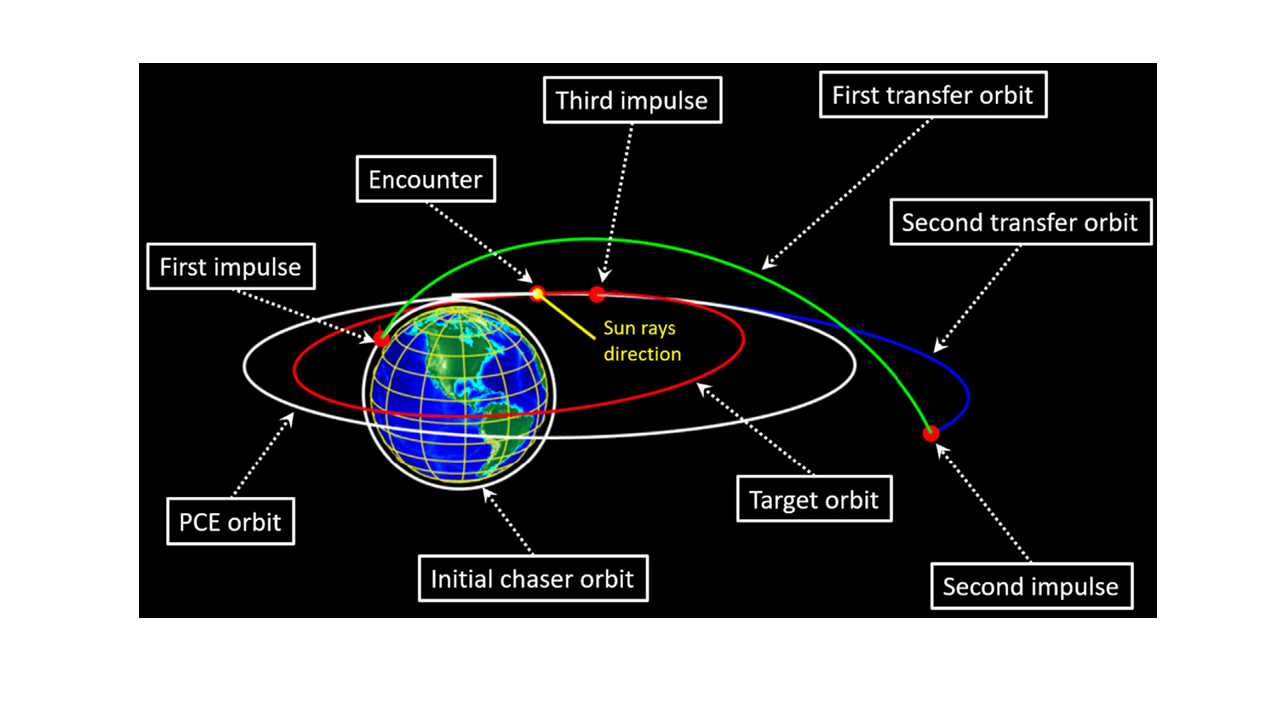
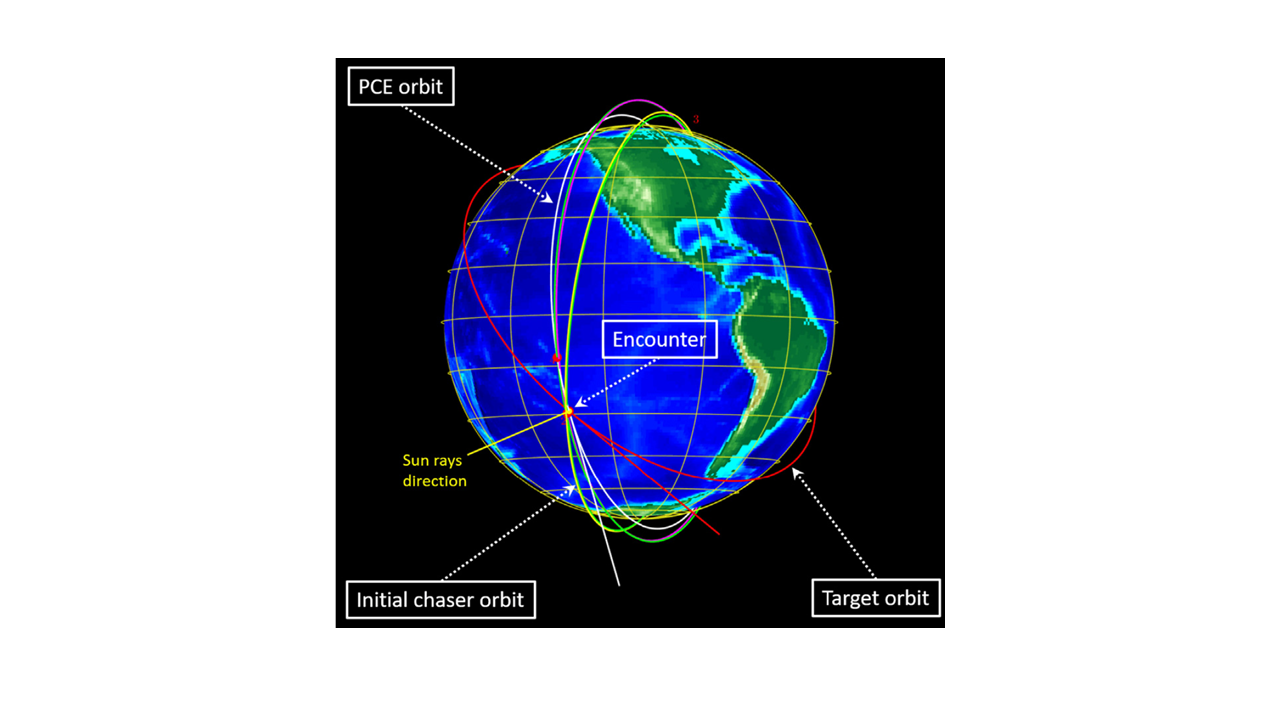
N-impulse Periodic Close Encounter Orbits for Inspection Missions

Periodic Close Encounter Orbits repeatedly bring an inspector spacecraft near a target while limiting maneuver cost and satisfying operational constraints. CIRO designs these missions as constrained sequences of N impulsive maneuvers.

The optimization balances encounter distance, total delta-v, illumination, daily observation time, perigee altitude, eccentricity, and repetition time using genetic algorithms and particle-swarm optimization.

05 · 2021

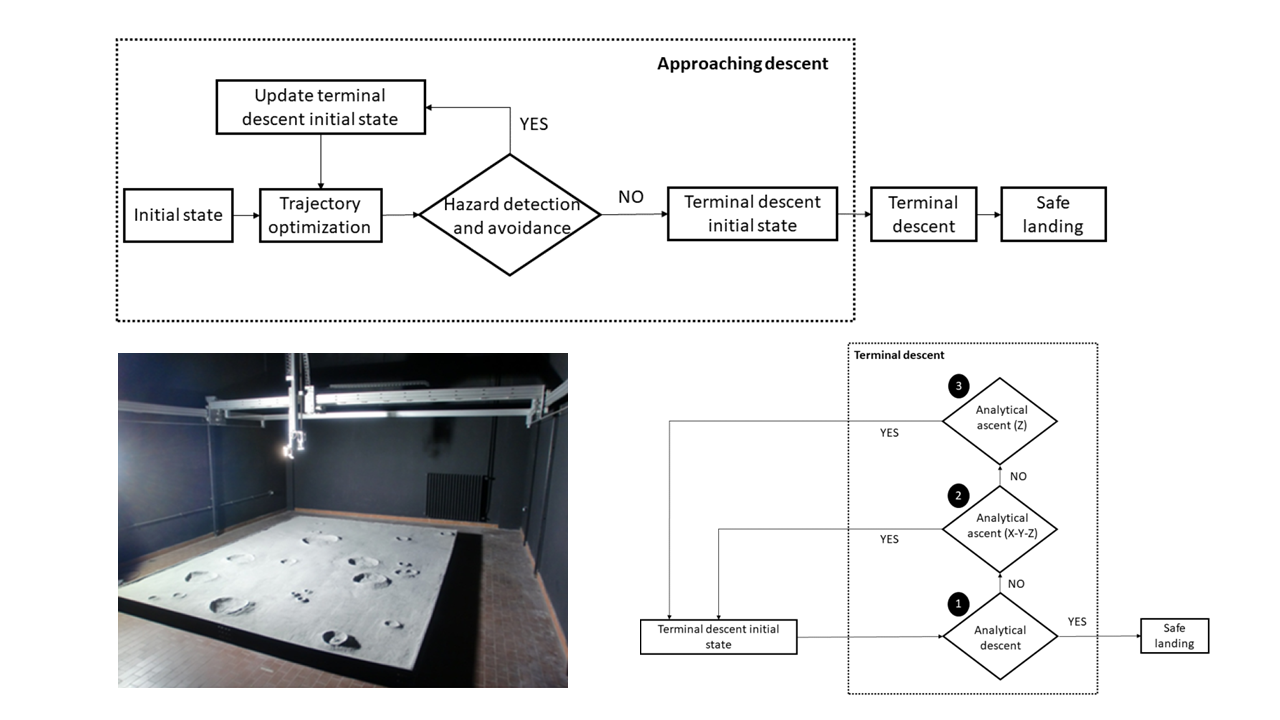
Safe autonomous soft lunar landing with hazard avoidance

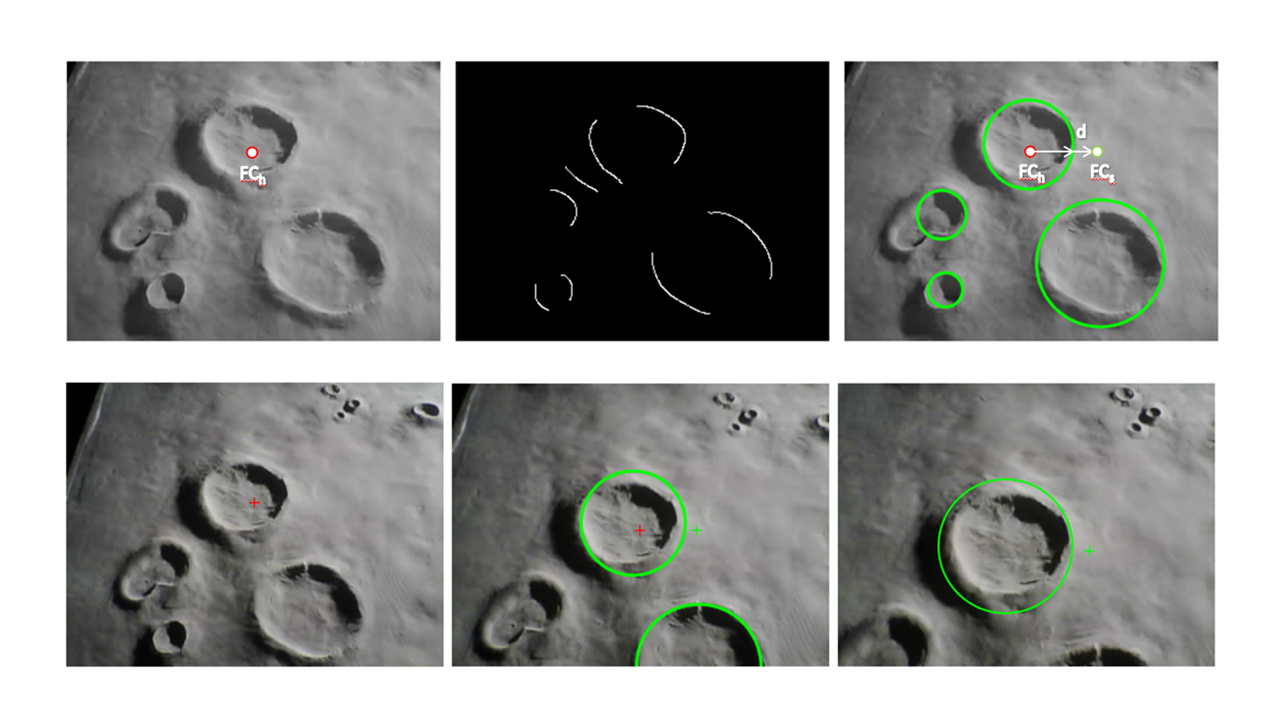
Particle-swarm optimization and differential flatness generate real-time soft-landing guidance policies whose boundary and dynamic constraints are satisfied by construction.

Hazard detection, avoidance, and recovery logic address cratered terrain and failed optimization attempts. The approach has been evaluated through Monte Carlo analysis and hardware-in-the-loop experimentation; the carousel also includes the optimal PSO guidance demonstration video.