CIRO Lab at the University of South FloridaResearch opportunities at the CIRO Lab

Research area · SSA

Space situational awareness & orbital sustainability

Estimation, characterization, environmental evolution, and decision tools for safer operations and long-term stewardship of the space environment.

01

Physics-informed orbit determination

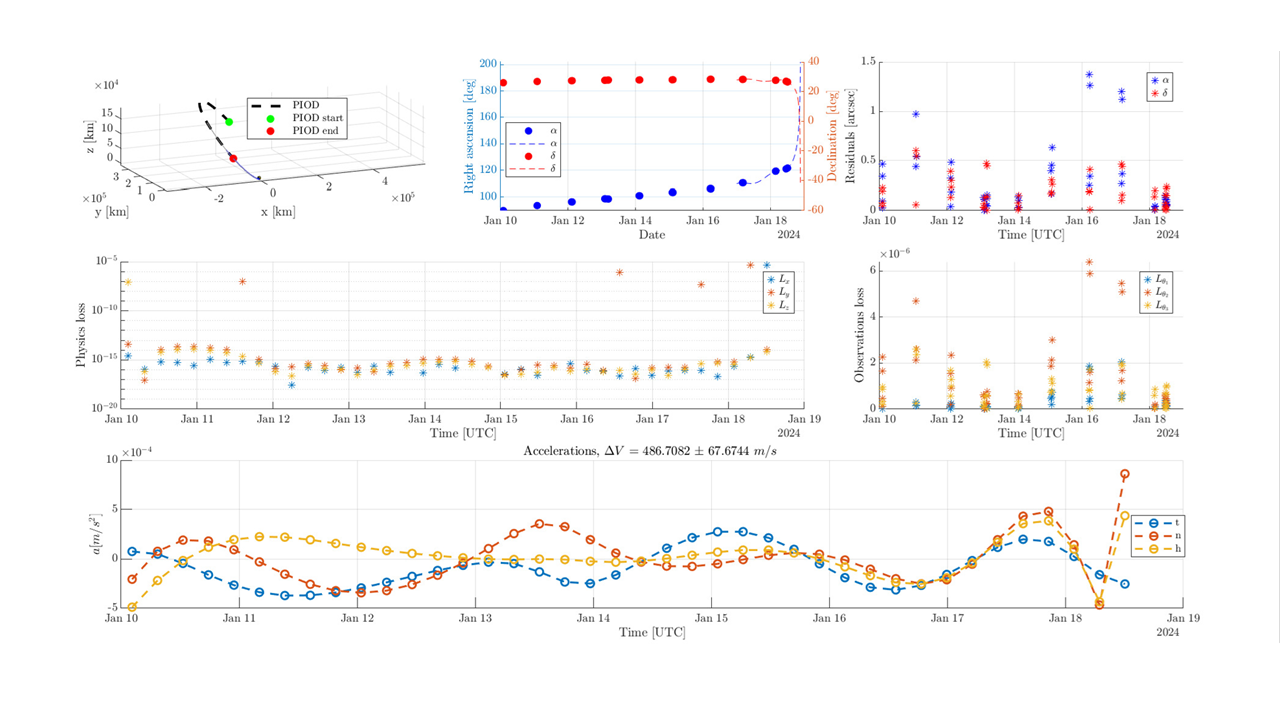
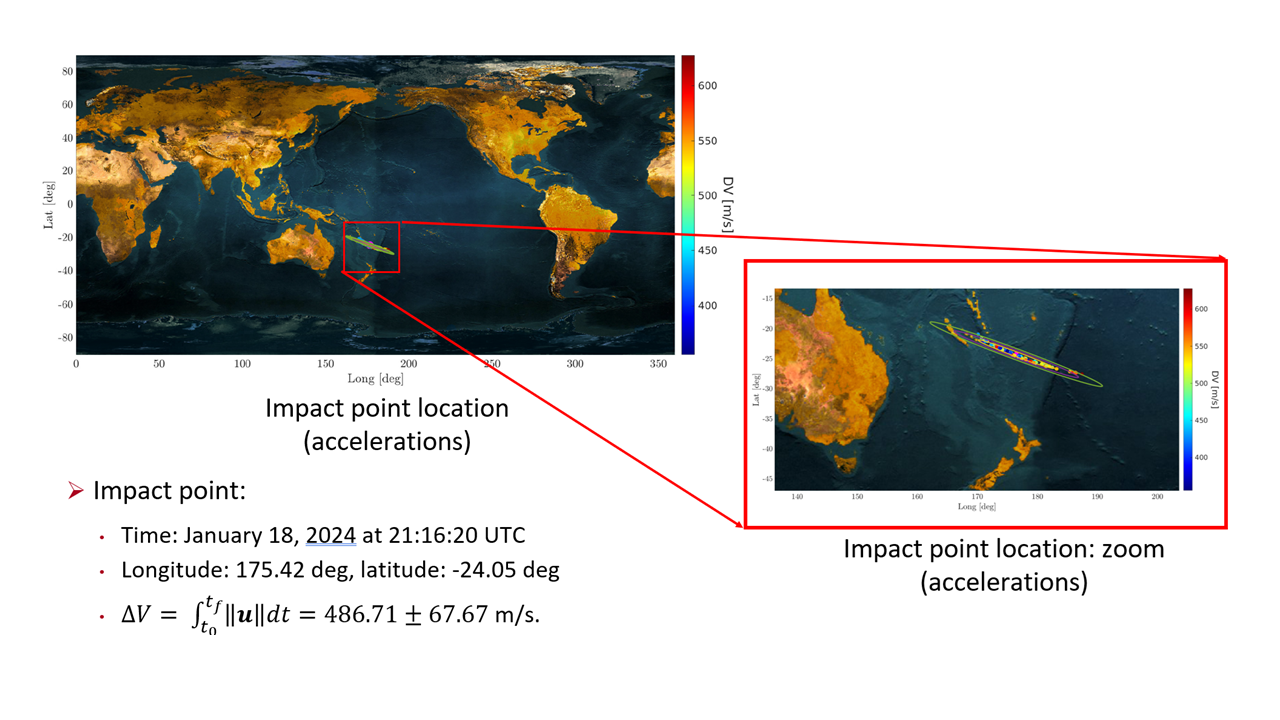
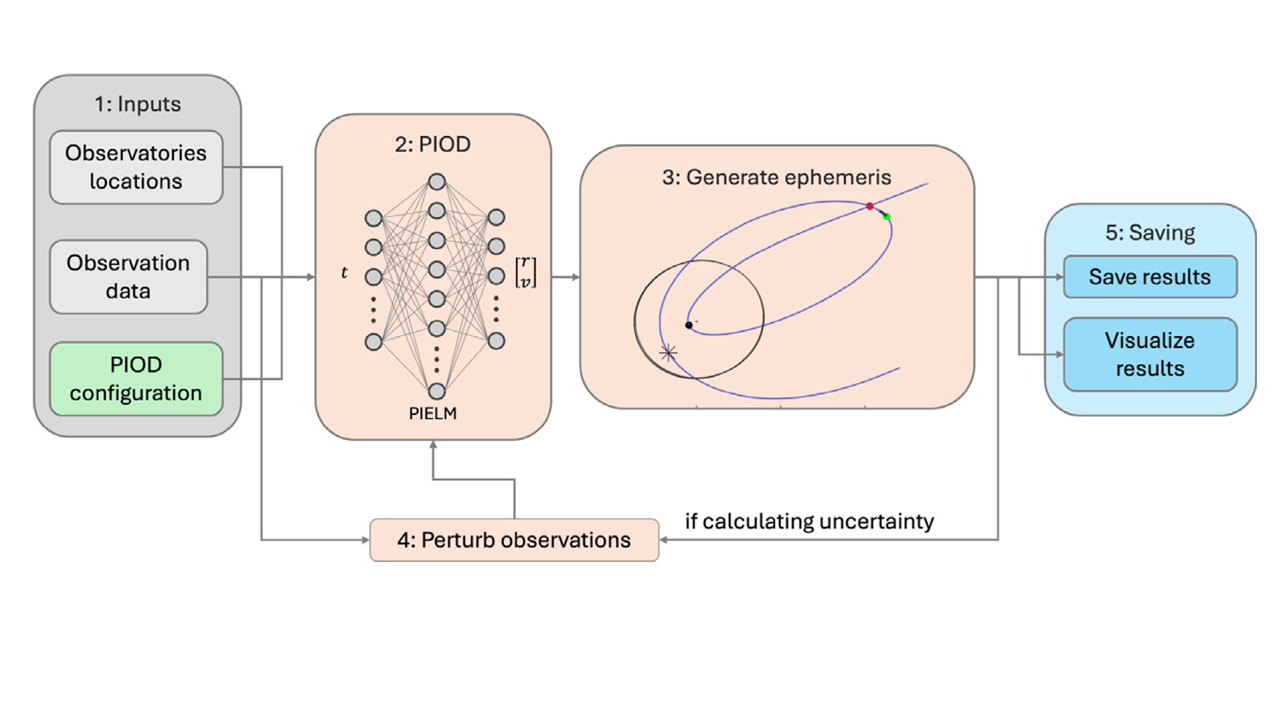
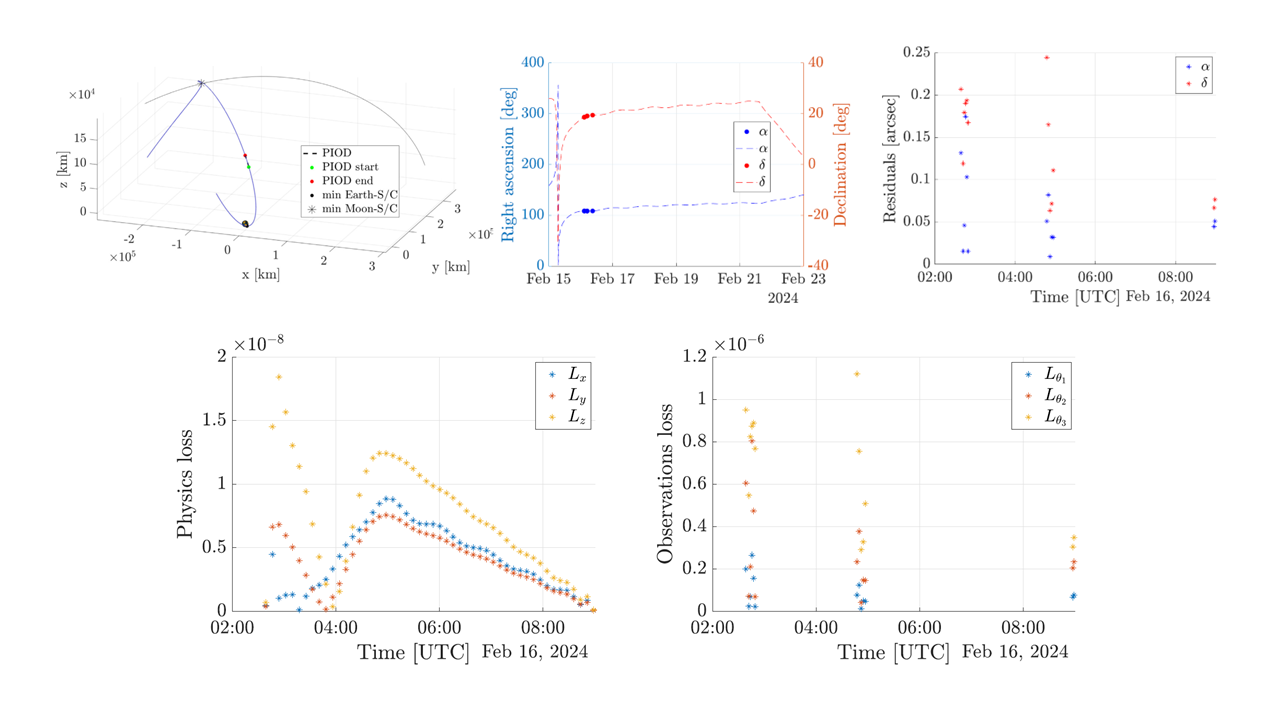
Physics-Informed Orbit Determination combines sparse angle-only observations with high-fidelity orbital dynamics to recover a trajectory without requiring an initial orbital guess or prior orbital information.

The model can include nonspherical Earth gravity, third-body perturbations, and solar-radiation pressure. Applications span GEO, X-GEO, and cislunar tracking, maneuver detection, and impact-point prediction while preserving physical consistency under limited observations.
02

Light-curve intelligence for space-object characterization

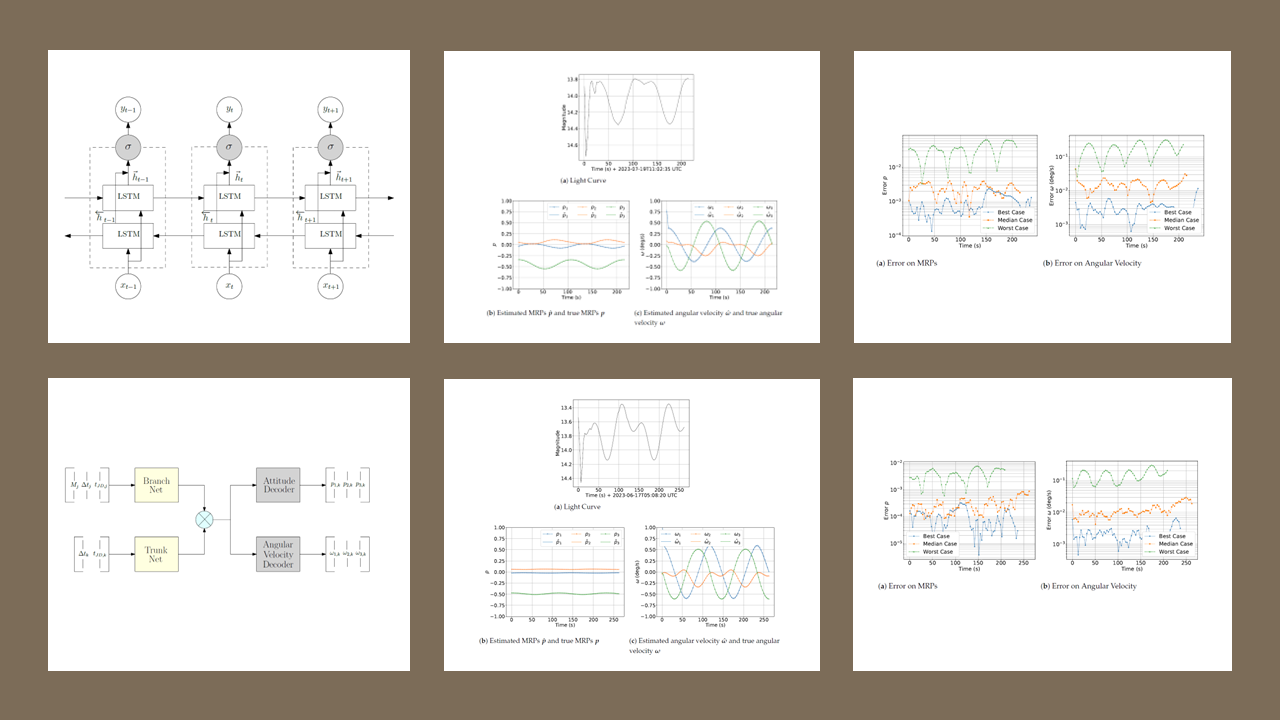
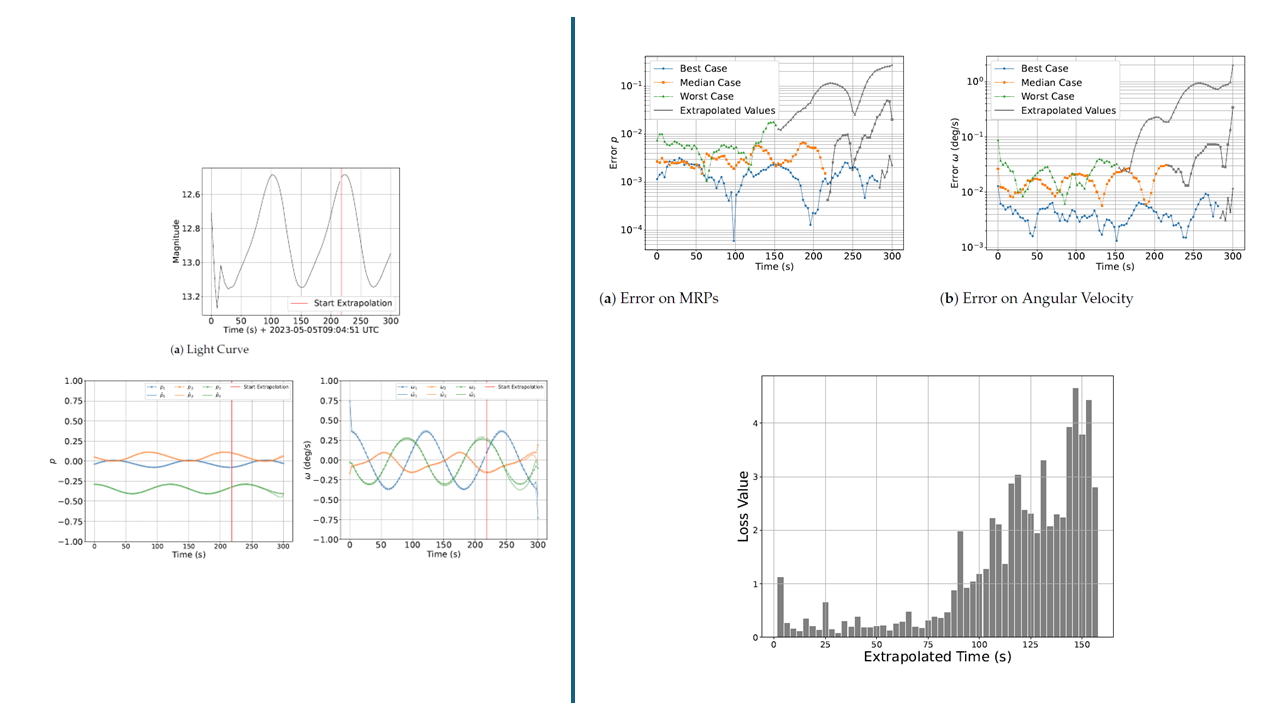
Photometric light curves encode information about attitude, angular velocity, shape, materials, and behavior. CIRO develops machine-learning methods that solve this difficult inverse problem from time histories of observed brightness.

Bidirectional recurrent networks and convolutional Deep Operator Networks are trained with high-fidelity synthetic observations for geostationary objects. The operator-learning formulation can estimate states between measurements and bridge observational gaps.

03

Space-environment evolution and orbital capacity

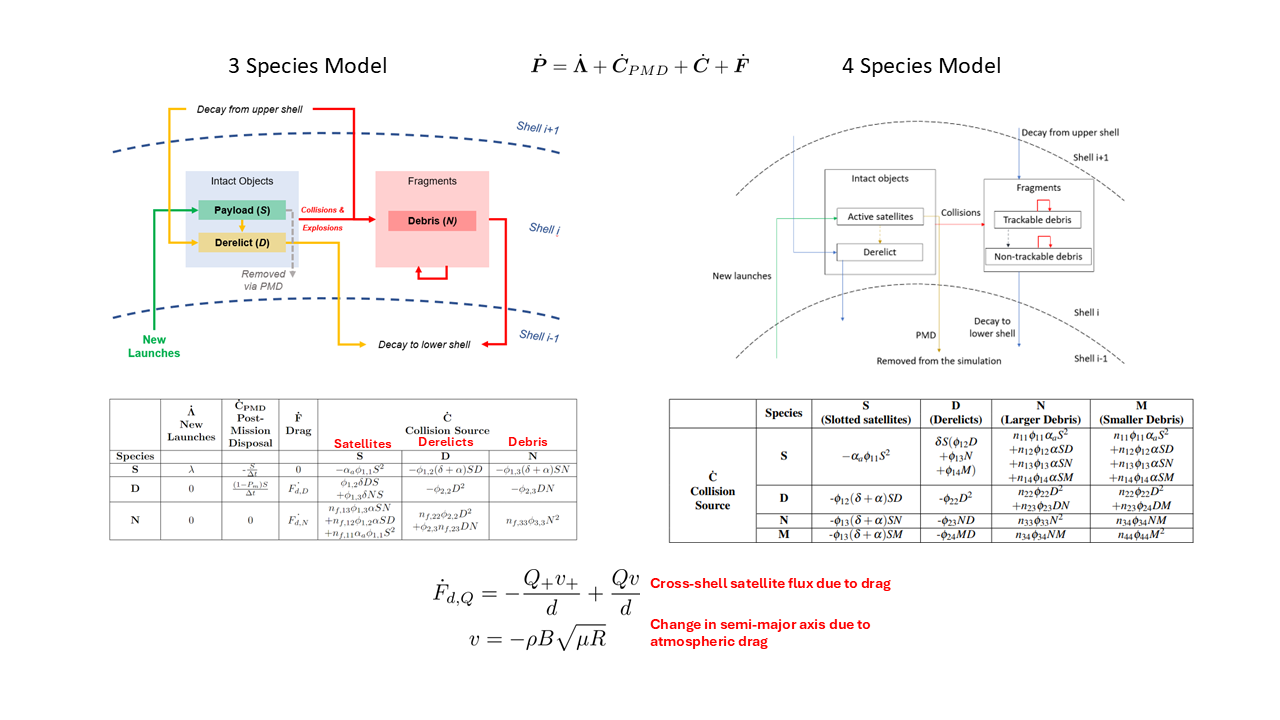
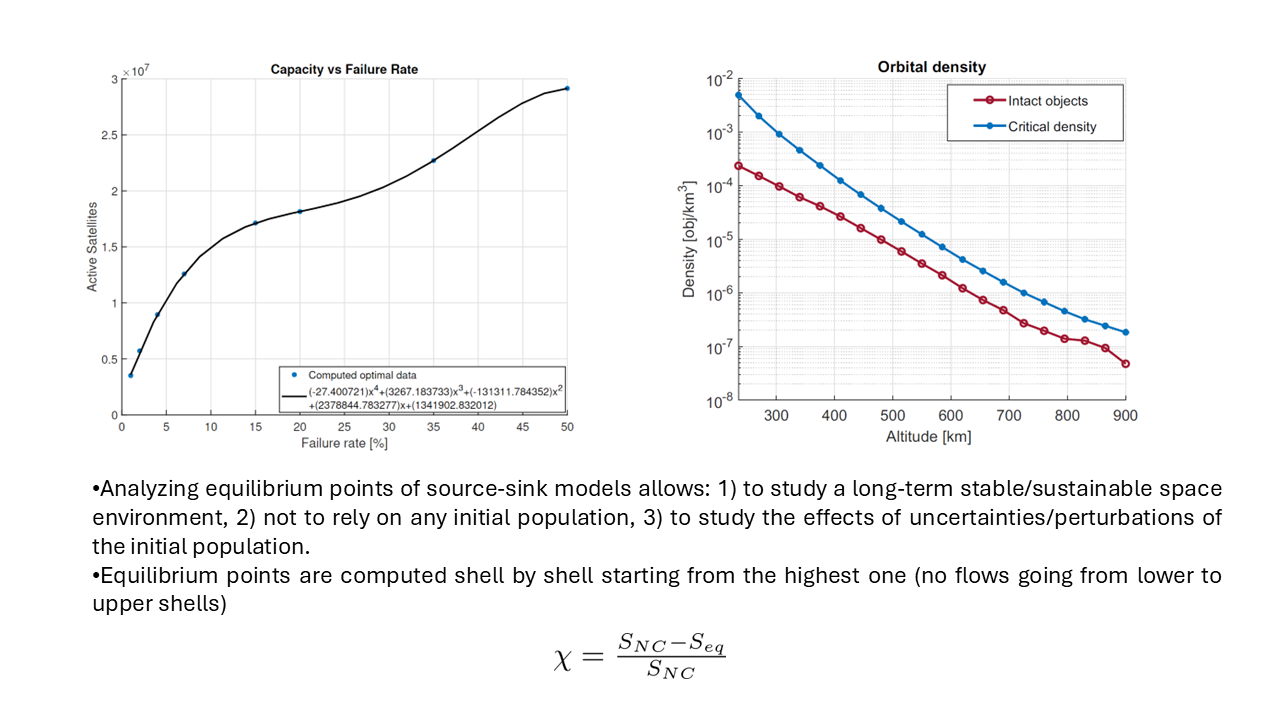
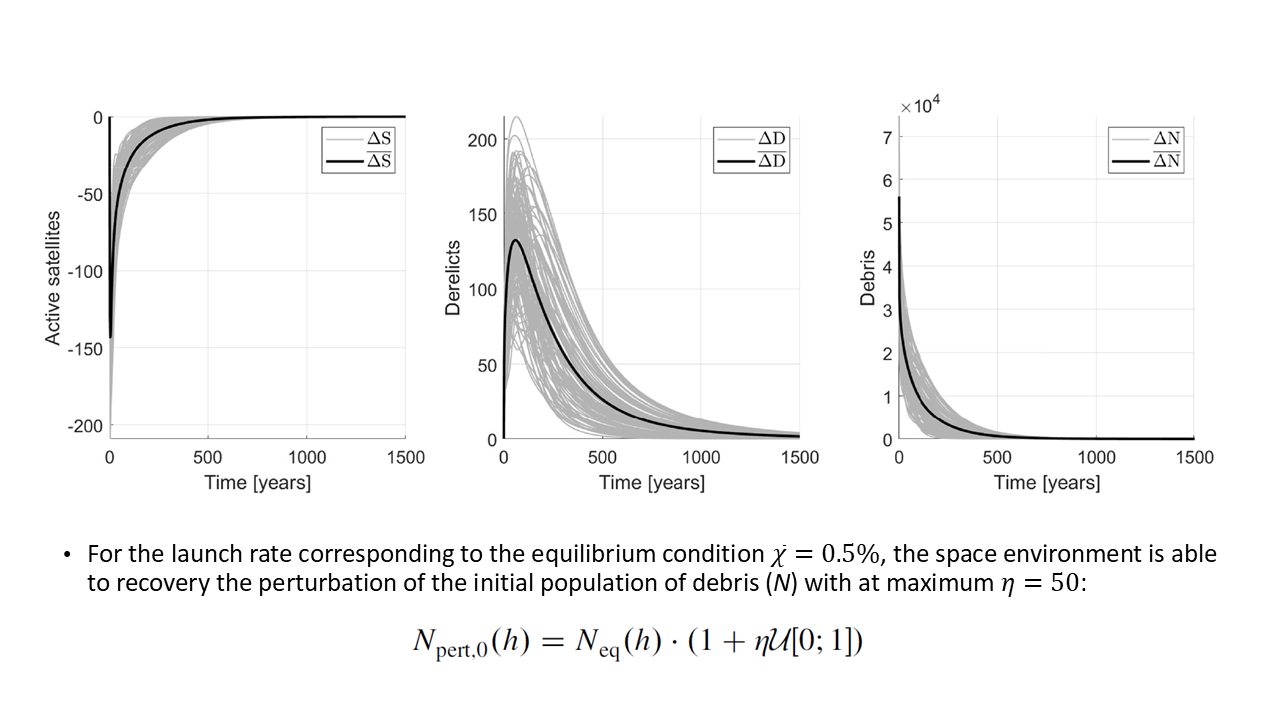
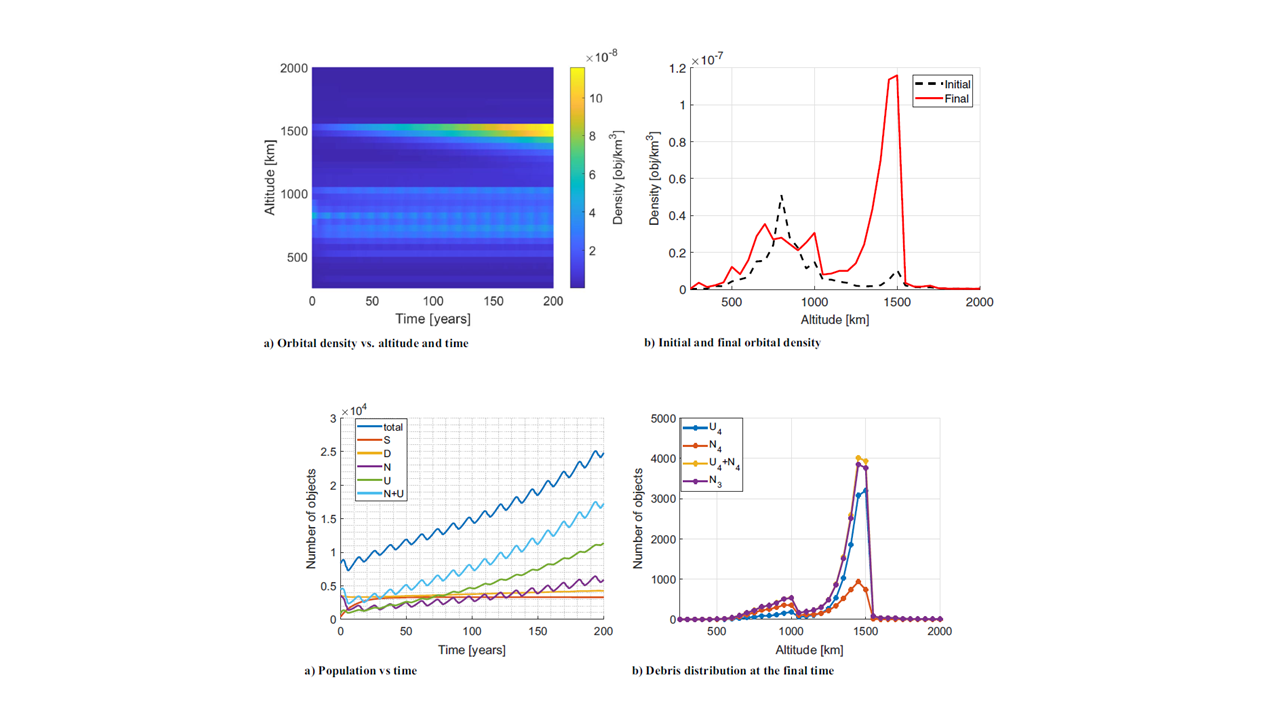
Multishell, multispecies source-sink models represent active, slotted, unslotted, and derelict satellites, rocket bodies, and trackable and untrackable debris while accounting for drag, collisions, explosions, launches, and post-mission disposal.

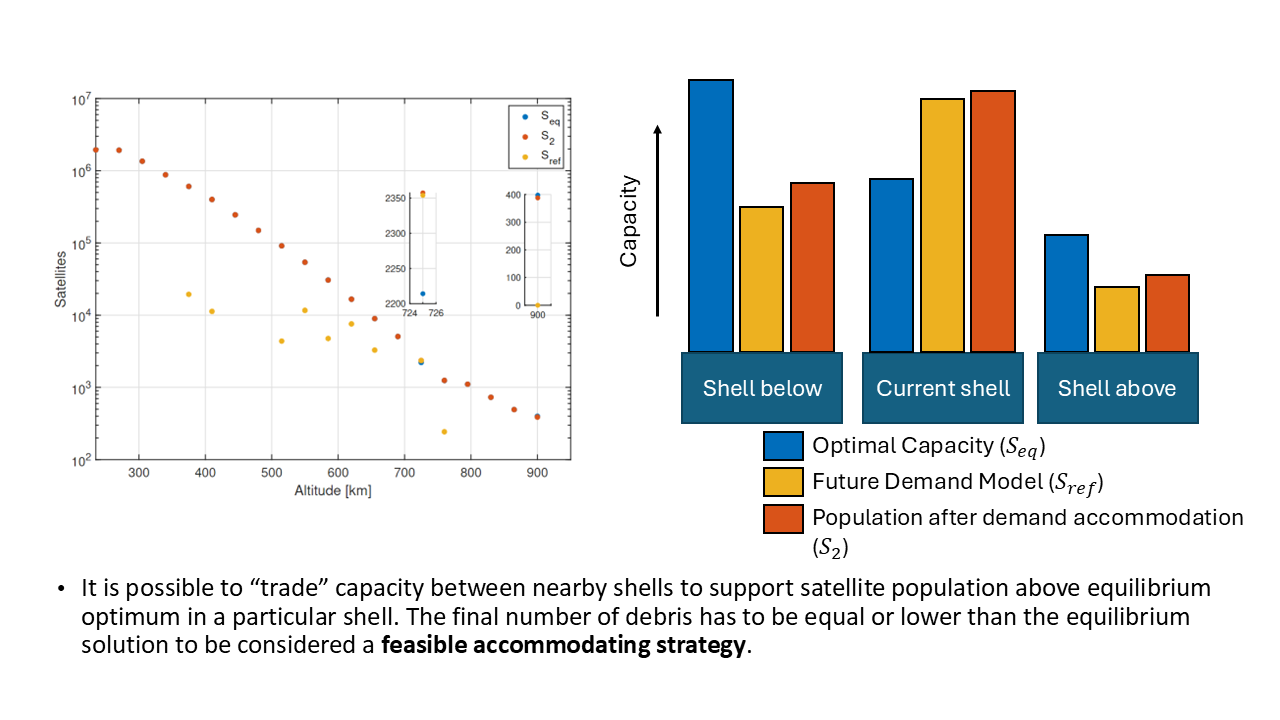
These models support long-term population forecasting and orbital-capacity assessment: the practical and physical limit on how many operational objects an orbital regime can safely, reliably, and sustainably support.